


Construction projects can be complicated things, especially when they are on a large scale. After all, there are a great many different people, materials, sites, machines, supplies, and vehicles to manage. Not to mention budgets and timelines. Unfortunately, all of these things come with potential risk, and this means that you will need to do everything you can to properly manage this risk and minimize it. The good news is you can get some great suggestions on how to do this for large construction projects in particular, below. Read on to find out more.
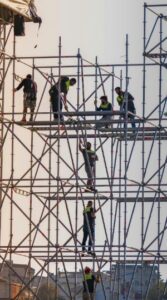
Image Source: Pexels – CCo License
Begin With Careful Planning
The very first stage of any construction project should be careful planning, and this is especially true when it comes to larger and more complex projects because there will be so many more factors to consider, and so many ‘moving pieces’ to properly manage. With this in mind, it’s a good idea to split up the planning of a larger construction task into 3main categories: budgeting, timelines, and risk management.
Starting with budgeting, it’s vitally important at this stage to be as realistic with the budget as possible. You or your client will end up with a nasty shock at the end of the project, and this can create serious issues both with getting paid and getting the positive reviews and referrals you will need for further business. To approach setting the budget as realistically as possible, ensure that you obtain accurate and timely quotes from your suppliers and contractors. Some construction firms even use specialist software for this that tracks the very latest prices automatically.
Accuracy and being realistic are also important when it comes to timelines for larger construction projects. This is because it’s crucial that you come up with a timeline that reflects the true length of a project. Although this can be particularly challenging when it comes to larger projects, because certain things have to be completed before others can be started. That is why creating very detailed project timelines that can be easily updated is the best approach here. Then, even if things do change, you will be able to update your timeline to reflect this and stay on top of the projects.
Lastly, for the planning stage of a large construction project, risk management is vital. This should include identifying any potential risks from the star,t such as planning errors, safety incidents and even poor performance from your contractors, as well as potential delays. By identifying these risks and putting in plans to manage them should they arise, you will plan for a much smoother and more successful project, no matter what its size.
Work With Experienced Professionals
The next thing you’ll need to do if you are running a large construction project is to make sure that you work with the best and most experienced professionals. You may wish to work with separate providers for each stage of your projects, from the planning to the designing, and the building stages. Although choosing a team of civil engineering experts that can handle all of these for you is often the best bet. This is because you get the benefits not only of working with expert engineers who are experienced in project planning, but who are also experienced at working together as a team on these types of builds. Something that can help you reduce costs and risks while also staying on budget.
Ensure Good Communication
Another way you can minimize the risk involved in larger construction projects is by making sure everyone involved communicates effectively. Part of this is having a good record documenting system that is properly updated and maintained. This is especially useful as it will help you track changes, as well as monitor what actions were taken at what time.
Regular meetings with all teams to ensure that everyone stays up to date are crucial, too. Indeed, these types of meetings will help ensure that any problems are spotted early on, that you will stick to your timelines better, and boost the accountability of your teams. They will also make sure that everyone stays aligned with the project plans and goals, which means better collaboration and fewer misunderstandings, which will also minimise risk.
Maintain Quality and Safety
Both quality and safety are crucial if you want to minimize risk in a large construction project. One way to ensure proper safety on site is to complete regular inspections. Usually, these are better when they are done randomly, as this will give you a clearer idea of what is happening on an everyday basis, and so what truly needs to be addressed.
It’s also crucial that you make sure that you enforce strict safety standards on site. To do this, you will need to check that all site workers, no matter their level, have been through recent safety training. You will also need to provide the proper PPE and the correct signage for any hazards. Indeed, there are specific safety rules that must be abided by in the construction profession, something you can read more about here.
Last of all, compliance is a big deal in construction, and this means that any size project, including larger ones need to ensure that they properly comply with all the legal regulations set. To do this, you will need to identify the ones that apply to your project and then track the actions you take to comply with them. Having a specific compliance person or department is usually best for this, as it helps to maintain consistency.
Engage in Constant Assessment and Review
Last of all, if you want to manage risk in a larger construction project, then you will need to engage in the process of review and improvement. Try to think of your approach to a project as a work in progress, which is never completely perfect, and that can always be checked and improved. In this way, you can help stay on top of issues such as budgets and timelines, and identify and address any potential risks before they become serious, constantly improving your risk management.