


Waste is easily one of the most pressing concerns for a business of any scale. If you are going to be able to make this work, it’s important that you are aware of what you are going to do about waste and how best to approach it. The truth is that there are lots of things that you might want to think about when it comes to this, and as long as you are aware of some of the main factors it’s going to be really useful for the business in general.
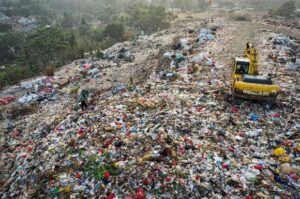
Image Source: Pexels – CCO License
In this post, we are going to discuss waste – how to manage it, what solutions there are, and what the major concerns are that you are likely to have. If you can bear the following in mind, you should find that it really makes a world of difference to your business – and to the world around you.
Understanding The Scope Of Business Waste
Business waste goes far beyond overflowing bins. It includes paper, packaging, food scraps, electronic equipment, construction debris, hazardous materials, and in some industries, chemical by-products. Each category carries its own handling requirements and potential risks. One major concern is compliance. In the UK, businesses have a legal “duty of care” to ensure waste is stored, transported, and disposed of properly. Failure to comply can result in fines, prosecution, and reputational damage. Even unintentional mistakes, such as using an unlicensed waste carrier, can create serious consequences.
Environmental impact is another key issue. Landfill use contributes to greenhouse gas emissions, while improper disposal of certain materials can contaminate soil and water. Customers, investors, and employees are increasingly conscious of sustainability practices, and businesses that fall short may lose trust and competitive advantage. Finally, there is the financial cost. Inefficient waste management often means overpaying for collections, losing valuable materials that could be recycled, and missing opportunities to streamline operations.
Risks Of Hazardous & Chemical Waste
For many industries, standard commercial waste is only part of the picture. Laboratories, manufacturers, cleaning services, automotive workshops, healthcare providers, and even some offices produce hazardous or chemical waste that requires specialist handling. Chemical waste management is not just a box-ticking exercise. Incorrect storage or disposal can pose serious risks to human health, damage infrastructure, and harm the environment. Leaks, spills, or incompatible chemical mixing can lead to fires, toxic fumes, or long-term contamination.

Image Source: Pexels – CCO License
Regulations surrounding hazardous waste are understandably strict. Businesses must classify waste correctly, store it safely in appropriate containers, maintain accurate documentation, and ensure it is transported by licensed carriers to approved treatment facilities. Failure in any part of this chain can result in heavy penalties and operational shutdowns. A proactive approach to chemical waste management includes staff training, clear labelling systems, routine inspections, and partnering with reputable waste specialists who understand regulatory requirements. Prevention is always cheaper and safer than remediation.
Common Waste Management Challenges
Many businesses struggle with waste not because they lack good intentions, but because systems are unclear or inconsistent. Poor segregation is a frequent problem. When recyclable materials are mixed with general waste, entire loads can end up in landfill. This not only undermines sustainability goals but also increases disposal costs. Another challenge is lack of visibility. Without tracking data, it’s difficult to know how much waste your business generates, what it consists of, or where inefficiencies lie. Many organisations continue with outdated contracts and collection schedules that no longer match their needs.

Image Source: Pexels – CCO License
Space constraints can also complicate waste storage, particularly in urban settings. Overflowing bins create health and safety risks and damage your professional image. Meanwhile, businesses undergoing growth or renovation often generate more waste than anticipated, catching management off guard.
Practical Solutions
The most effective waste strategies begin with an audit. Assess what types of waste your business produces, in what quantities, and how frequently. This baseline data allows you to identify reduction opportunities and tailor collection services appropriately. Improving segregation is one of the simplest and most impactful changes you can make. Clearly labelled bins, consistent colour-coding, and staff education help ensure materials are placed in the correct streams. Regular reminders and visible signage reinforce good habits
Reducing waste at the source is equally important. Consider reviewing procurement practices to minimise excess packaging, switching to reusable materials where possible, and digitising processes to cut paper use. Small operational changes can deliver significant long-term savings. Recycling and recovery programmes should be aligned with your business model. Food businesses might explore composting solutions, while offices can focus on paper, plastics, and electronic waste recycling. For companies handling chemicals or hazardous materials, working with specialist contractors ensures compliance and safe disposal.
Leverage Technology & Data
Modern waste management is increasingly data-driven. Digital tracking systems, smart bins, and reporting tools provide real-time insight into waste volumes and trends. This visibility helps businesses adjust collection frequencies, optimise bin placement, and set measurable sustainability targets. Data also supports corporate reporting and environmental, social, and governance (ESG) initiatives. Being able to demonstrate reduced landfill usage or increased recycling rates strengthens stakeholder confidence and may support bids for contracts where sustainability credentials are evaluated.
Building A Culture Of Responsibility
Waste management should not sit solely with facilities teams. A successful strategy involves the entire organisation. Leadership must set clear expectations and communicate why responsible waste handling matters. Employees should feel empowered to raise concerns, suggest improvements, and follow established procedures. Training is particularly crucial when dealing with hazardous or chemical materials. Staff must understand the risks, know emergency procedures, and recognise the importance of accurate documentation.
Celebrating progress can also reinforce engagement. Sharing milestones, such as achieving a recycling target or reducing general waste by a certain percentage, helps maintain momentum.
With those in place, you’ll be able to manage your business waste much more easily and successfully from the start.



Add Comment