


Whether you’re in construction, manufacturing, engineering, or other hard-working industries, you need to make sure that health and safety are amongst your utmost priorities. Aside from preventing injuries and the legal liability that can follow, when your workers are confident in their safety and security while working, the workplace is more likely to run more smoothly, improving productivity and efficiency. So, what kind of safety gear should you be investing in?
Head Protection
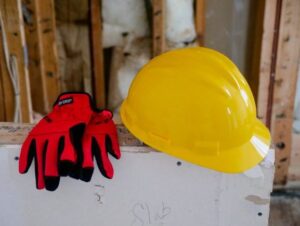
There are plenty of potential workplace hazards that your team should be more mindful of, but few are more important than the risk of falling objects or head injuries. Hard hats protect workers from impact, debris, and accidental collisions, and many include features like face shields for additional safety.
Hand Protection
Many industrial workspaces include a lot of hands-on work that can expose workers to sharp ends, chemicals, hazardous waste, heat, and heavy machinery. Providing the right gloves for different tasks is vital. Safety gloves can offer different levels of cut-resistance, heat resistance, and chemical resistance. Be mindful of how gloves impact the dexterity of workers, as well, when they’re handling tools. Each pair of gloves should be matched to the particular risks of the task.
Eye And Face Protection
In any environment where there’s debris, sparks, chemicals, or even intense light, you should make sure that the worker has adequate coverage for their face. This can include safety goggles and face shields, but more particular risks, such as sparks, might require welding masks, while working with lasers might necessitate laser safety glasses. Clear visibility is also important, so equipment should be kept clean and checked regularly to make sure that it’s free from scratches.
Foot Protection
Where there’s any risk of injuries from heavy objects, machinery, sharp materials, or anything falling from a height, protective footwear is important. Steel-toe or composite boots can protect them from impact, while puncture-resistant soles are vital when there might be sharp objects on the ground. Where slips and falls are a hazard, especially due to surfaces with poor traction or frequent spills, slip-resistant design is important, too.
Ear Protection
Long-term hearing damage is often a seriously underlooked risk in many workplaces. The noise levels in manufacturing, engineering, and construction environments can easily reach unsafe levels, so providing hearing protection such as earplugs and earmuffs can help reduce that exposure. However, prolonged exposure is always a danger, so employers need to monitor noise levels and provide routine breaks to safeguard their employees’ hearing.
Respiratory Protection
If you’re in an environment where dust, fumes, gases, and other airborne particles are a frequent danger, then respiratory protection is vital. Masks and respirators help filter those harmful substances, allowing workers to breathe safely without risking their lung health. Employers should take care to assess air quality risk and airflow to prevent overexposure, regardless of what protection they provide, too.
Besides the recommendations above, take the time to thoroughly assess the potential risks of your workplace and the equipment that can help you reduce those risks.

Add Comment