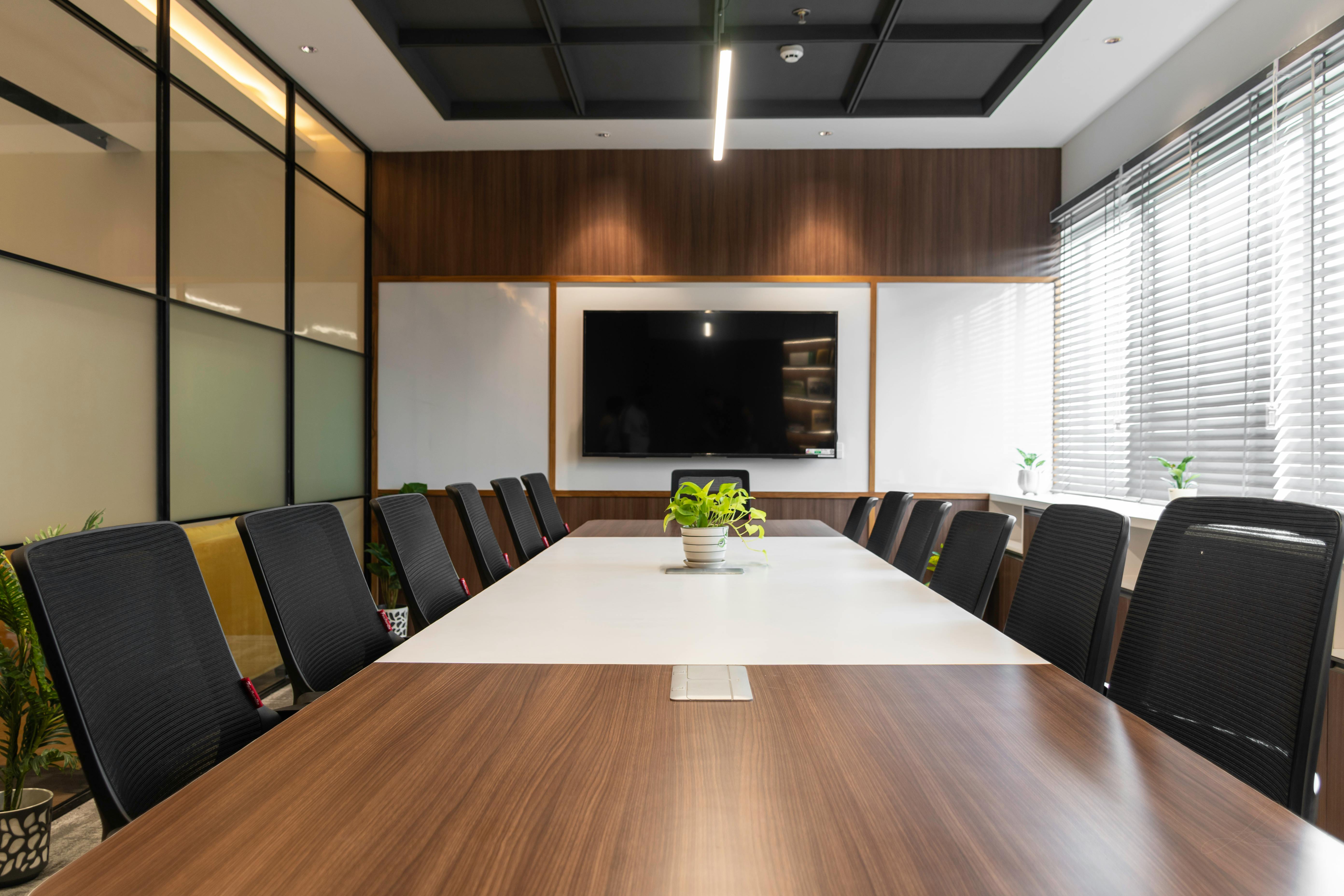



The way you build a team has changed. Not in a small, “let’s try hybrid Fridays” kind of way. In a proper structural way. The office is no longer just a place where people sit from nine to five because that is what work has always looked like. It has become a tool. A signal. A cost decision. A culture decision. Sometimes, it is even a growth strategy.
For modern businesses, especially startups, project-based teams, consultants, remote workers and expanding enterprises, flexibility is no longer a perk. It is survival with a smarter calendar. You need space when you need it. You need the right location, the right facilities, and the right atmosphere without locking your business into a long lease that starts feeling outdated six months later.
That is where flexible workspaces come in. Done properly, they give you room to grow without forcing you to guess what your team will look like two years from now.

Why Office Flexibility Matters More Than Ever
The old office model expected businesses to predict the future. You signed a lease, paid for furniture, committed to utilities, managed cleaning, organised security, handled maintenance, and hoped your team size stayed close enough to your original plan.
But growth is rarely that tidy.
One month, you may need a small meeting room for investor conversations. The next, you may need hot desks for a visiting team. Then suddenly you are onboarding contractors, hosting workshops, or giving remote staff a place to gather for two focused days. A fixed office can handle some of that, but it often comes with wasted space, wasted money, and wasted energy.
Flexible workspaces solve a very real problem: they let your workspace match your actual work.
You are not paying for empty desks just to prove you are “established”. You are choosing spaces that serve a specific purpose. That could be a private office, a coworking desk, a boardroom, a training room, or a creative hub where people can work without feeling trapped in a grey box.
That matters because modern teams are not static. They scale, shrink, shift, travel and collaborate across time zones. Your workspace should be able to move with that rhythm.
The Rise Of Workspaces Built Around People, Not Desks
A good workspace is not only about square metres. It is about how people feel and perform inside it.
You can have the best furniture in the world, but if the space feels cold, noisy, badly managed or disconnected from transport and food options, it becomes a daily irritation. People do not simply need a place to open a laptop. They need reliable Wi-Fi, comfortable seating, privacy when required, meeting areas, coffee that does not taste like office regret, and a setting that helps them switch into work mode.
This is why coworking spaces have become so appealing. They are designed around use, not ownership.
You can walk in and work. You can meet clients without apologising for the venue. You can book a space that suits the kind of day you are having. A solo admin day does not need the same environment as a strategy workshop. A pitch meeting needs different energy from a team check-in.
The smartest flexible workspaces understand this. They create options, not obligations.
What Businesses Should Look For Before Choosing A Shared Space
Not all shared workspaces are equal. Some are genuinely useful. Others look good online but fall apart once you arrive with a laptop and a deadline.
Before choosing a space, look beyond the photos.
Ask whether the location makes sense for your team and clients. Consider parking, public transport, safety, nearby cafés, restaurants and accommodation if people are travelling. Check whether the workspace offers meeting rooms, call booths, printing, reception support, reliable internet and clear booking terms.
Also, think about atmosphere. A space can be beautiful but completely wrong for your work. If you need quiet focus, a loud, networking-heavy environment might drain you. If you need connection and energy, a silent corporate space may feel too stiff.
The right workspace should remove friction. You should not have to spend half your day figuring out where to sit, how to connect, where to take a call, or who to speak to when something goes wrong.
Good flexible workspace platforms help with this because they make comparison easier. Instead of guessing from scattered websites, you can explore locations, facilities and availability in one place.
How Hotdesking Supports Leaner, Smarter Teams
Hotdesking is often misunderstood. Some people hear the word and imagine chaos. No assigned seat. No structure. Everyone wandering around looking for a plug point.
But good hotdesking is not about removing order. It is about reducing waste.
If your team is hybrid, why pay for a desk for every employee every day? If your staff only come together twice a week, why carry the cost of a full-time office that sits half-empty? If you are expanding into a new city, why commit to permanent space before you understand the market?
Hotdesking gives you practical flexibility. You use what you need, when you need it, and scale up or down depending on the work in front of you.
It also encourages more intentional office days. When people come in, they are not just arriving out of habit. They are there to collaborate, plan, meet clients, solve problems or reset team energy. That shift can make office time feel more valuable.
For lean teams, this matters. It keeps overheads lower and decision-making sharper. You are no longer tied to a workspace model built for a business you used to be, or one you are not ready to become.
Why The Best Coworking In UAE Appeals To Growing Companies
The UAE has become a powerful base for businesses that want access to regional opportunity, international talent and fast-moving commercial networks. But choosing workspace there is not only about finding a desk in a nice building. You need local understanding.
The Best Coworking in UAE gives companies more than convenience. It can help teams connect with spaces that suit how business is actually done in the region. That includes access to strong locations in places like Dubai and Abu Dhabi, professional meeting rooms, flexible booking options, and workspaces that understand the expectations of local and international clients.
Hotdesk’s UAE platform pairs local market expertise with AI-driven workspace matching to give startups and enterprises instant access to vetted spaces across Dubai and Abu Dhabi. That is valuable because the right workspace can influence how confidently you enter a market, meet partners, host clients and support a travelling or distributed team.
The UAE benefits are clear:
- Local market knowledge
- Arabic support
- Regional partnerships with facility managers
- AI-powered matchmaking
- On-demand flexibility
This combination matters because the UAE is not a one-size-fits-all market. A startup founder, a regional sales team, a consultant and an enterprise project group may all need different types of space. AI-powered matching can help narrow those choices faster, while local support makes the experience feel less transactional and more grounded.
What The Best Coworking In UK Can Teach Global Teams
The UK market is different, but the lesson is similar: flexibility works best when it is backed by coverage, trust and speed.
For teams operating across London, Manchester, Birmingham, Edinburgh or other major business hubs, workspace access can quickly become complicated. One employee may need a desk near a client. Another may need a meeting room for two hours. A project team may need temporary space for a week. A growing company may need flexible billing that does not create admin headaches every time someone books a desk.
This is where the Best Coworking in UK becomes useful for businesses that want structure without stiffness.
Need a meeting room in London on short notice? Hotdesk’s UK marketplace offers pay-as-you-go bookings and verified spaces across major UK hubs. That kind of instant access is especially useful when plans change quickly, which they usually do.
The UK benefits include:
- Extensive UK coverage
- Flexible pricing
- Instant access
- Verified listings
- Enterprise billing and integrations
The verified listings point is important. Businesses do not want surprises when they arrive. They want to know the space exists, the facilities match the listing, the booking is clear, and the environment is suitable. For enterprise users, billing and integrations also matter because workspace flexibility should not create more admin than it solves.

Why Flexible Workspaces Are Also A Culture Decision
It is easy to talk about flexible workspaces in terms of cost. And yes, cost matters. But culture matters too.
Where your team works affects how they communicate, how often they connect, and how they feel about the business. A badly planned hybrid model can make people feel isolated. A rigid office model can make people feel controlled. A thoughtful flexible model can give people autonomy while still creating moments of real connection.
You can use coworking spaces for team days, onboarding, client meetings, project sprints, leadership sessions or quiet solo work. You can give remote employees access to professional environments without forcing them into a single central office. You can support business travel without relying on hotel lobbies and noisy coffee shops.
This is not just about convenience. It is about giving people better conditions to do better work.
The best teams do not grow because they sit in the same building every day. They grow because they have clarity, trust, useful tools and the right environment at the right time.
Choosing A Workspace That Fits The Way You Actually Work
Before you choose any flexible workspace, be honest about your real needs.
Do you need a polished meeting room to impress clients? Do you need quiet desks for deep work? Do you need a central city location? Do you need regional coverage for travelling staff? Do you need simple billing for multiple users? Do you need support in different languages or help navigating a new market?
Once you understand the real use case, the decision becomes easier.
A small creative team may need inspiring space and casual collaboration areas. A finance or consulting team may care more about privacy, professionalism and meeting rooms. A startup entering the UAE may value local guidance and regional partnerships. A UK-based enterprise may need verified listings, integrations and coverage across several cities.
The point is not to find the “coolest” workspace. The point is to find the workspace that removes obstacles.
The Future Of Work Is Flexible, But Not Careless
Flexible work does not mean casual work. It does not mean everyone works anywhere with no plan. The most successful businesses are becoming more deliberate about when, where and why people gather.
That is the real shift.
You no longer need to build your company around a fixed office. You can build your workspace strategy around your people, your clients, your market and your growth stage. You can use hotdesking to stay lean, coworking to stay connected, and on-demand meeting rooms to stay professional without taking on unnecessary commitments.
Flexible workspaces are changing how modern teams grow because they give businesses something traditional offices often struggle to offer: room to adapt.
And in a world where plans change quickly, that kind of room is not just useful. It is smart.