


Simple outfits are driving some of the biggest accessory sales right now. Shoppers are wearing fewer loud prints, fewer heavily layered clothing pieces, and more neutral basics they can rewear throughout the week. That shift has changed how people shop for jewelry, handbags, and styling pieces. Many customers now look for accessories that instantly make everyday clothing feel cleaner, more polished, and more expensive without requiring a full wardrobe update.
For retailers, boutiques, and online stores, this creates a strong opportunity. Customers are actively searching for wearable accessories they can use often, not products that sit untouched after one season. The stores performing well in this space understand how people actually dress in daily life. They stock pieces that elevate basics, photograph well online, and work across multiple outfits. Accessories have become the easiest way for shoppers to refresh their style while staying practical with their spending.
Mixed Metals Feel More Current
Perfectly matching jewelry sets no longer dominate accessory styling. Customers now mix silver and gold naturally because the look feels more relaxed and modern. Many shoppers also like the flexibility mixed metals offer. They no longer feel limited to choosing one tone for every outfit.
This shift creates useful opportunities for retailers. Stores can merchandise silver and gold collections together instead of separating them completely. Layered necklace stacks, bracelet combinations, and ring sets tend to sell better when customers see how metals work together visually. Many boutique owners also source mixed metal pieces from platforms like Wholesale Jewelry Website because customers actively look for stackable jewelry that feels easy to wear daily.
Mixed metal styling also appeals to younger shoppers who prefer less structured fashion choices. The look feels effortless, which makes it easier for customers to recreate with pieces they already own. Retailers should keep styling imagery simple and wearable. Customers respond better to realistic combinations than highly polished editorial looks. Everyday styling examples usually help shoppers feel more confident adding multiple pieces to their cart.
Bold Gold Pieces Still Sell Fast
Chunky gold jewelry continues to move quickly because customers see it as an easy styling upgrade. Thick hoops, bold chain necklaces, wide cuffs, and oversized rings instantly make simple clothing look more intentional. These pieces work especially well with monochrome outfits, linen sets, blazers, and casual basics. Customers like accessories that create impact without requiring too much effort.
Retailers should avoid overcrowding displays with too many complicated designs. Clean, wearable statement pieces usually perform better because shoppers can imagine wearing them immediately. Online stores also benefit from showing gold accessories styled with relaxed everyday clothing instead of heavily curated fashion shoots. Customers want realistic styling inspiration they can copy easily.
Gold jewelry also photographs extremely well for social media and product pages. That visual appeal matters because many customers discover accessory trends through short-form video content and outfit-focused posts before making a purchase.
Structured Bags Change the Entire Outfit
Structured handbags continue to gain attention because they instantly make casual outfits feel more polished. Customers often pair these bags with relaxed clothing like denim, oversized knits, leggings, or simple dresses. The clean shape adds balance to softer outfits and creates a more refined overall look without requiring formal styling.
Neutral shades perform especially well in this category. Black, cream, tan, chocolate brown, and muted olive tend to attract shoppers looking for long-term use instead of trend-driven purchases. Customers want bags that work across seasons and different outfit combinations.
Retailers should also pay attention to size and functionality. Many shoppers now prefer medium-sized bags with enough room for daily essentials while still looking sleek. Oversized totes still have demand, though structured shoulder bags and compact top-handle styles currently feel more wearable for everyday styling. Product displays should focus on outfit pairing ideas rather than treating handbags as standalone accessories.
Wrist Styling Feels Relevant Again
Bracelets and watches have returned to everyday fashion because customers want accessories that feel polished without looking overly formal. Slim watches, chain bracelets, cuffs, and tennis-style pieces pair easily with basics people already wear daily. Many shoppers also stack bracelets together instead of wearing a single standout piece. This styling approach feels more natural and wearable for casual outfits.
Retailers should pay attention to proportion when sourcing wrist accessories. Oversized styles still have a place, though balanced medium-width pieces usually appeal to a wider customer base. Adjustable sizing also matters because shoppers increasingly expect convenience when buying online.
Product styling plays a major role in sales here. Customers respond well to realistic combinations shown with rolled sleeves, knitwear, oversized shirts, and neutral basics. Wrist accessories sell more effectively when shoppers can quickly picture them as part of daily outfits.
Small Earrings Are Winning Attention
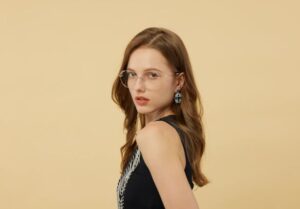
Customers increasingly choose earrings they can wear throughout the day without discomfort or styling effort. Huggies, mini hoops, pavé styles, and small studs continue to sell well because they work with both casual and polished outfits. Many shoppers now build curated ear looks using multiple smaller earrings instead of relying on oversized statement designs.
This shift matters for retailers because practical jewelry tends to generate repeat purchases. Customers often buy several pairs together once they find styles they wear consistently. Lightweight earrings also perform well online since shoppers actively search for comfortable everyday pieces.
Stores should keep product descriptions clear and useful. Buyers want details about size, closure style, finish, and material quality before purchasing. Close-up product photography also helps significantly in this category because customers pay attention to scale and wearability when shopping for smaller jewelry pieces.
Accessories continue to shape how customers build modern outfits. Many shoppers now rely on jewelry, handbags, watches, and layered details to make simple clothing feel more polished and intentional. This shift has created strong opportunities for retailers and boutique owners who understand how people actually dress in everyday life.
The most successful stores focus on wearable accessories customers can style repeatedly instead of trend pieces with limited use. Layered necklaces, structured bags, mixed metals, textured finishes, and personalized jewelry all perform well because they fit naturally into modern wardrobes. Customers want products that feel practical, easy to style, and visually elevated without requiring complicated fashion choices.
Retailers who combine strong product selection with realistic styling inspiration will continue attracting shoppers looking for versatile accessories that improve everyday outfits.