



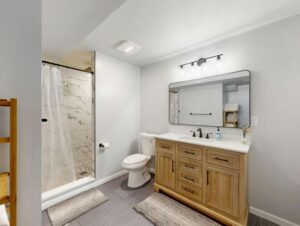
The bathroom usually starts feeling wrong before people can explain exactly why. The counter stays cluttered no matter how often it gets cleaned, the lighting feels harsh early in the morning, and the room somehow never feels fully comfortable, even after expensive updates. Most homeowners keep adjusting to those problems for years instead of fixing the actual causes.
In many South Bend homes, bathrooms were designed more for function than comfort, especially in older properties where storage was limited, and layouts felt tight from the start. A lot of these spaces still carry that same practical but slightly cold feeling today. Homeowners are not necessarily chasing luxury anymore. They are trying to make the room feel calmer, easier to use, and less frustrating during normal routines that already take enough energy out of the day.
Why Small Design Decisions Matter More Than Big Statements
Bathrooms tend to work best when nothing inside them is competing for attention. That sounds simple, but many remodels end up overloaded with trends that look impressive for six months and then start feeling tiring. Oversized fixtures, dramatic tile patterns, and ultra-modern lighting can make the room feel busy fast, especially in smaller homes where every surface already carries visual weight.
A more comfortable bathroom usually comes from restraint. Softer lighting, warmer finishes, practical storage, and layouts that move naturally tend to age better than rooms designed mainly for impact. People notice comfort more when it is subtle. The room feels easier to exist in, even if nobody immediately points to one specific feature. And these are the areas that modern bathroom remodels in South Bend are focused on.
The goal is not really to impress guests for five minutes. It is to make daily routines less cramped, less noisy, and less irritating over time. Good bathroom design often works quietly in the background, which sounds obvious, but it gets overlooked constantly.
Lighting Should Feel Soft Without Being Dim
Lighting changes how every material in a bathroom feels. Even expensive finishes can look cold or uncomfortable under harsh overhead fixtures. A lot of older bathrooms still rely on one bright ceiling light that throws shadows across the mirror and makes the room feel strangely clinical at six in the morning.
Layered lighting works better because it spreads brightness more naturally across the room. Vanity lighting placed at eye level softens shadows and makes the space easier to use during rushed mornings. Softer ambient lighting also helps at night when nobody wants to feel fully awake just from turning on the bathroom light.
People working from home probably became more aware of this over the last few years. After staring at themselves on video calls constantly, many homeowners started noticing how bad lighting affects mood, focus, and even how tired they look before the day properly starts.
Storage Feels Better When It Disappears into the Room
Bathrooms feel harder to relax in when every surface stays crowded. Open shelves looked nice online for a while, but real life catches up fast. Towels get stacked everywhere, skincare products multiply somehow, and the counter slowly disappears beneath everyday clutter. Hidden storage works better because it keeps the room looking calmer without needing extra space. Deep drawers, recessed cabinets, and built-in shower niches help things stay organized without drawing attention to themselves.
Homeowners also seem less interested now in oversized vanities that look impressive but waste storage space. Practical layouts are winning out more often because people want bathrooms that stay manageable during normal daily routines.
Warm Materials Change the Mood More Than Fancy Ones
Bathrooms used to chase that bright, glossy look because it felt modern at the time. White surfaces, shiny chrome, polished finishes everywhere. It looked clean, sure, but many of those spaces ended up feeling cold after a while. Warmer materials are becoming more popular now because they make the room feel softer without trying too hard.
Wood textures, matte fixtures, and subtle tile patterns tend to settle the space visually. The difference is quiet but noticeable. Softer finishes also age better in everyday life since they hide fingerprints, water marks, and small wear much more naturally than glossy surfaces usually do.
Walk-In Showers Keep Gaining Attention
Large tubs still appeal to some homeowners, but many people eventually realize they do not use them often enough to justify the space. Walk-in showers fit daily routines better for most households. They are easier to access, easier to clean, and generally make the room feel more open.
Frameless glass helps too because it allows light to move through the room without interruption. Smaller bathrooms especially benefit from that openness. The space feels less boxed in, even when the actual footprint never changes. Built-in benches and recessed shelving inside showers are also becoming standard features. They do not scream luxury, which is probably part of the appeal. They simply make the room easier to use without adding visual clutter.
Comfort Often Comes from Quiet Features
Some bathroom upgrades stop feeling like upgrades after a while because they settle so naturally into daily routines. Heated floors are one of those things people dismiss at first, right up until another cold winter morning changes their opinion.
Better ventilation matters too, even if nobody really talks about it unless something starts peeling or smelling damp. Moisture builds up quietly over time. Strong airflow helps the room stay fresher and prevents wear that creeps in slowly. Homeowners are also paying more attention to noise now. Quieter fans, soft-close drawers, and thicker doors do not stand out individually, but together they make the bathroom feel noticeably calmer.
Bathrooms Are Becoming More Personal Again
For a while, many bathrooms were designed almost entirely around resale value. Safe choices everywhere. That mindset still exists to some degree, but people are starting to care more about how the room supports their actual routines instead of how it photographs for future buyers.
That does not mean bathrooms are becoming wildly customized. If anything, the opposite is happening. The best designs now often feel restrained, practical, and quietly comfortable. Enough warmth to feel lived in. Enough simplicity to stay functional.
Comfort usually comes from removing friction, not adding more features. Better lighting. Smarter storage. Softer finishes. Cleaner layouts. None of it sounds dramatic when listed out like that. Still, those are the details homeowners keep appreciating long after the renovation dust finally settles.