Driven by innovation, UNIPET is a vital energy and financial technology ecosystem that has evolved from a traditional fuel distributor into an essential provider of integrated energy solutions across Trinidad and Tobago. To highlight the evolving role UNIPET continues to play, we spoke with Mr. Dexter Riley, Chief Executive Officer (CEO) of UNIPET, who shared insights into its operations, current developments, and plans for expansion in the years ahead. Through Riley’s perspective, we gained a view of UNIPET’s operations and the wide-ranging role it plays in energy distribution, sustainable energy delivery, and community development.
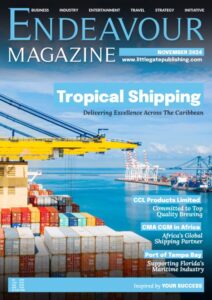
Check out the article in the magazine below:
UNIPET traces its origins in 1997, when it was established as a wholly owned and locally operated company focused on the marketing and wholesaling of liquid petroleum fuels. From the outset, UNIPET positioned itself as a challenger brand within Trinidad and Tobago’s state-dominated downstream petroleum sector. In 1999, the company was granted its Petroleum Marketing Licence and commenced operations in 2000. Over the past 26 years, UNIPET has evolved into a technology-enabled, internationally oriented enterprise. Today, its core services include the distribution of liquid petroleum fuels, a growing convenience retail network of 24/7 U-Stores, and a specialised range of automotive care products such as fuel system cleaners and performance additives.
Alongside its fuel distribution services, UNIPET is committed to delivering digital payment solutions, including RFID-enabled fuelling and mobile-first platforms that support both conventional fuel transactions and electric vehicle charging services. This reflects a significant shift under the leadership of Dexter Riley, CEO since 2015, with the company advancing a triple bottom line strategy, that balances economic performance with environmental stewardship and social impact. Key aspects of this transformation include investments in digital infrastructure, renewable energy, and data-driven operational capabilities, strengthening UNIPET’s contribution to sustainable energy development.
A defining feature of UNIPET’s operations is its network of service stations, designed as integrated lifestyle and energy hubs rather than traditional fuelling locations. Riley explains that these sites are differentiated by their focus on digital innovation and sustainability. “UNIPET commissioned the country’s first solar-powered service station including Trinidad’s first public electric vehicle charging station at its Brentwood location,” he notes. These developments underscore the company’s role in delivering infrastructure that extends beyond fuelling, offering digitally integrated, sustainability-driven solutions.
The solar-powered service station at Brentwood stands as a milestone for both the company and the country. It represents a step forward in the adoption of renewable energy within the local service station network while reinforcing UNIPET’s position as a regional leader in electric vehicle charging. Through its U-Charge initiative, the company has played an active role in developing charging infrastructure across Trinidad and Tobago. In recent years, this network has expanded with multiple charging stations nationwide. Supporting this is a dedicated mobile application that provides real-time visibility of charger availability, and usage data, creating a seamless user experience. The establishment of Convenience Pay Technologies Ltd., further marks a strategic milestone, enabling the development of a fully integrated digital ecosystem across UNIPET’s energy and retail services.
Sustainability is embedded across UNIPET’s operations, including at the point of fuel dispensing through its Double Filter Technology., Riley explains, “Double Filter Technology is a two-stage fuel filtration system designed to ensure a high level of fuel cleanliness at the point of dispensing. The primary filter removes larger particulates and solid contaminants, while the secondary, visible filter installed at the dispensing hose captures finer particles and significant moisture content”. This system reduces the risk of contaminants entering vehicle engines, supporting improved performance, enhanced fuel efficiency and extended engine life. It reflects the company’s broader focus on delivering cleaner, more efficient fuel solutions.
UNIPET has further reinforced its commitment to responsible business practices by becoming the first company in Trinidad and Tobago to sign onto the United Nations Global Compact. This milestone reflects the company’s dedication to sustainability, corporate responsibility, and the advancement of the United Nations 2030 Agenda. As part of this commitment, UNIPET continues to align its business strategy and operations with the Sustainable Development Goals (SDGs), contributing to meaningful social, environmental, and economic progress. Through its fintech initiatives, the company supports SDG 1, No Poverty, by improving access to essential services and supporting vulnerable communities. Through UNIPET Energy, it actively contributes to SDG 7, Affordable and Clean Energy, by advancing renewable energy adoption across Trinidad and Tobago. Investments in modernised infrastructure and innovation further support SDG 13, Climate Action, while the company’s governance framework reflects its commitment to SDG 16, Peace, Justice and Strong Institutions. UNIPET also recognises the importance of collaboration and, through strategic public and private sector partnerships, continues to advance SDG 17, Partnerships for the Goals.
These efforts were further recognised when UNIPET was named the 2026 EUROCHAMTT Sustainability Champion in the Large Enterprise category, a milestone that reflects the company’s continued investment in sustainable development, innovation, and operational excellence. The recognition also underscores UNIPET’s active role in supporting the energy transition and demonstrates how strong governance, industry collaboration, and forward-thinking leadership continue to shape the company’s evolution as a sustainable corporate citizen.
Beyond energy delivery, UNIPET remains committed to community development through its structured engagement approach. Its operations are guided by its corporate ethos: UQUEST and I-CARE values, which, according to Riley, “emphasise inclusion, responsibility, and development”. These principles support the delivery of reliable energy solutions while fostering a technology-enabled economy. The company also invests in talent development through structured mentorship and internship programs, with a strong track record of progression from entry-level roles to leadership positions. Its social investment strategy aligns with global development priorities, particularly in advancing access to sustainable energy and climate action.
Reflecting on the company’s journey, Riley notes that one of the key challenges UNIPET has faced has been navigating regulatory and market structures that were originally designed around a state-operated energy environment and did not always align with the realities of a privately operated enterprise. As the sector evolved, this required the company to adapt within an established framework while advocating for more balanced and responsive industry mechanisms. In response, UNIPET has maintained sustained policy engagement, ethical advocacy, and a focus on operational resilience. Internally, it has strengthened its organisational culture through flatter, more inclusive management structures and agile, cross-functional teams, promoting collaboration and a unified corporate ethos that supports competitiveness in a dynamic energy market.
Looking ahead, UNIPET is focused on expanding its electric vehicle charging network and advancing the rollout of its U-Charge mobile application. The company is also leveraging artificial intelligence and machine learning to optimise asset performance and enhance customer engagement. In parallel, it is exploring regional and international growth opportunities through strategic partnerships and licensing arrangements within CARICOM and beyond.
As it looks to the future, UNIPET aims to complete its transition into a fully integrated energy company serving transportation, commercial, and residential sectors with cleaner and more accessible solutions. Riley states that the company “aspires to operate as a sustainable, impact-driven enterprise that balances climate responsibility with economic growth, while contributing to energy security and leadership development across the Caribbean region”. This direction reinforces UNIPET’s role in supporting the region’s energy transition through technology-driven solutions that make cleaner energy more accessible.
UNIPET continues to play a central role in Trinidad and Tobago’s energy landscape through its expanding network of service stations and its investment in digital infrastructure. Our conversation with Dexter Riley, highlights a company defined by resilience, adaptability and a clear strategic vision. As the energy sector continues to evolve, UNIPET is positioned to expand its reach while maintaining a balance between economic growth and environmental responsibility, contributing to a more integrated and forward-looking energy future.