



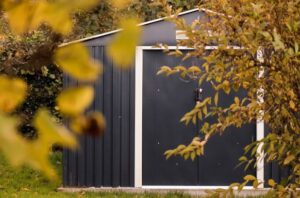
When you need a place for garden tools, outdoor furniture, or recreational gear, it’s easy to just grab the quickest, cheapest thing you can find. But making an eco-friendly outdoor storage spot is way more rewarding and better for the planet in the long run. When you pick sustainable materials and think through the design, you end up with something that not only works great but also looks good and feels right in your yard.
Sustainable Materials for Your Outdoor Space
The first step for any eco-friendly project is choosing the right materials. For outdoor storage, you’ve got some fantastic options that won’t hurt the environment too much. Reclaimed wood, like timber from old buildings or pallets, adds a cool, rustic vibe and keeps usable wood out of landfills. Bamboo is another excellent pick. It’s a fast-growing grass that bounces back quickly and is even tougher than a lot of hardwoods.
You can also look for structures made from recycled stuff, like composite lumber that mixes wood fibres with recycled plastic. Metal is strong and you can recycle it, especially if you go for pre-made steel or aluminium sheds. The main idea is to pick materials that are either renewable, have been recycled, or can be recycled again later.
Designing for Durability and Longevity
A big part of being sustainable means making things that last. A storage shed that falls apart after just a few seasons is a waste, no matter what it’s made from. To make sure your structure sticks around for ages, design it to handle your local weather. This means using finishes that stand up to the elements, making sure the foundation is solid so it doesn’t rot or get wobbly, and using good quality fasteners that won’t rust. Planning for durable outdoor spaces right from the start saves you time, money, and resources because you won’t be constantly fixing or replacing things.
Optimising for Energy Efficiency and Ventilation
Even a simple storage shed can get a boost from smart, passive design. Good airflow is important to stop moisture from building up. That moisture can lead to mould and mildew, which will damage your stored items and the shed itself. Put vents near the roof and floor to let air move naturally. If your shed will have power, think about where you put it. Placing windows or skylights to catch natural light means you won’t need as much electric lighting. In hot places, putting the shed in a shady spot can keep it cooler, while in colder areas, a sunny spot can give it some passive warmth.
Customising Your Sustainable Storage
You can keep the eco-friendly vibe going inside your storage unit too. Instead of buying new plastic bins, look for creative and eco-friendly ways to organise. Use old jars for screws and nails, or build shelves from leftover wood scraps. A pegboard wall is a handy way to hang tools and keep them easy to see, so you don’t have to dig through drawers. When you set up the inside to fit your needs with sustainable solutions, you end up with a space that’s both more useful and more organised.
Integrating with Your Landscape
Your outdoor storage doesn’t have to be an eyesore. With a little thought, it can blend right into your garden. Paint the shed with low-VOC paint in a colour that looks nice with your house or the plants around it. You could even put up a trellis on one side for climbing plants like jasmine or clematis, turning a plain wall into a living feature. Think about planting native, low-water shrubs around the base to soften its edges and help it merge with the landscape. A green roof with sedums is another awesome idea that insulates the shed and creates a home for pollinators.
An eco-friendly storage solution is a project that really gives back. It offers you a practical space while showing your commitment to the environment. It’s a smart addition to any home.