



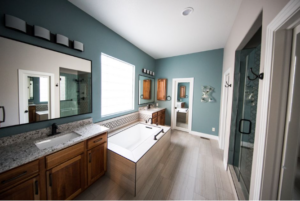
If you’re planning a bathroom remodel, you’re dealing with one of the trickiest rooms in the house. Bathrooms are small, expensive, and packed with plumbing, moisture, and daily wear. A smart plan can save you from budget blowouts and awkward design choices that look good in photos but feel annoying at 7 a.m. every day. Whether you want a simple refresh or a full overhaul, a few key decisions shape the entire project.
Start With How You Actually Use the Space
Before you pick tile samples or scroll through dreamy vanity setups, look at how your bathroom functions right now. If two people are constantly fighting for sink space, layout matters more than trendy finishes. If storage is terrible, that floating vanity may lose its appeal fast.
Pay attention to the details you usually ignore:
– Where clutter piles up
– How much counter space you really use
– Whether lighting works for shaving, makeup, or both
– Which door swings feel awkward
– How easy the room is to clean
A family bathroom has different needs than a guest powder room. Your morning routine is the real design brief. Pretty pictures can help, but they won’t tell you where to plug in an electric toothbrush without creating cord chaos.
Layout Changes Can Transform the Room, but They Cost More
Moving a toilet, shower, or tub can make the room function far better, but it usually adds labor, plumbing work, and complexity. Keeping major fixtures in the same place often saves money. Still, cheaper doesn’t always mean smarter if the current layout is clumsy.
Think about what improves the room long term:
– A larger walk-in shower instead of an unused tub
– Better clearance around the vanity
– Storage built into dead wall space
– A pocket door where a swing door wastes room
If you’re comparing contractors, ask how they approach both design practicality and construction logistics. That’s part of what separates an average installer from the best bathroom remodeling company for your needs. Good remodeling isn’t only about making a room look updated. It’s also about making every square foot work harder.
Set a Budget That Includes the Boring Stuff
Bathroom remodeling costs climb quickly because many expenses are hidden behind walls and under floors. You may start by thinking about tile and fixtures, then suddenly you’re discussing subfloor damage, old plumbing lines, or ventilation upgrades. Glamorous? Not exactly. Necessary? Very much.
A realistic budget should cover more than visible finishes:
– Demolition and debris removal
– Plumbing and electrical work
– Waterproofing
– Labor
– Permit fees if required
– A contingency fund for surprises
Try to keep 10 to 20 percent aside for problems you won’t spot until work begins. Older homes, especially, love surprises. Some of them arrive wearing mold. If you skip the backup fund, one hidden issue can push the entire project into panic mode.
Materials Need to Handle Steam, Water, and Constant Use
Bathrooms take a beating. Heat, humidity, soap residue, and daily traffic can ruin the wrong materials faster than you’d expect. That marble look you love may need more maintenance than you’re willing to give. That bargain flooring may not survive repeated splashes near the tub.
Choose materials with performance in mind:
– Porcelain tile for durability and moisture resistance
– Quartz countertops for low maintenance
– Semi-gloss or moisture-resistant paint
– Slip-resistant flooring for safety
– Fixtures with finishes that resist water spots and corrosion
You’re not only designing for move-in day. You’re designing for year three, when steam has tested every surface and you’re tired of scrubbing grout lines like it’s a part-time job. Attractive and durable can absolutely coexist, but they need careful selection.
Lighting and Ventilation Deserve More Attention Than They Usually Get
A bathroom can have stunning tile and still feel disappointing if the lighting is harsh or the mirror area throws strange shadows across your face. Ventilation has a similar reputation: overlooked until mildew starts making itself at home.
Layered lighting works better than a single overhead fixture. A good setup often includes:
– Ambient lighting for the whole room
– Task lighting around the mirror
– Accent lighting in niches or under vanities
– Dimmers for flexibility
Ventilation matters just as much. A properly sized exhaust fan helps control moisture, protect paint, and reduce the chance of mold growth. If your bathroom doesn’t have a window, the fan is doing serious heavy lifting. Not all heroes wear capes. Some just hum quietly in the ceiling.
Storage Should Be Planned, Not Improvised
Bathroom clutter builds fast because the room has to hold a surprising number of things: towels, hair tools, skincare, cleaning products, extra toilet paper, medication, and the half-used bottles nobody admits they’re keeping. If storage isn’t built into the remodel, counters and corners will absorb the chaos.
Look for storage opportunities that blend into the design:
– Vanity drawers instead of only cabinet doors
– Recessed medicine cabinets
– Shower niches for soap and shampoo
– Linen cabinets if space allows
– Wall shelves over the toilet or beside the vanity
Good storage also supports better hygiene and easier cleaning. Fewer items on counters means less visual noise and fewer obstacles when wiping down surfaces. If you want the room to keep that freshly finished look, storage is one of the least flashy but most effective tools.
Hiring the Right Contractor Can Shape the Entire Experience
Even strong design choices can fall apart with poor execution. Bathroom remodeling requires coordination between demolition, plumbing, electrical work, waterproofing, tiling, and finish installation. A contractor who cuts corners in one area can create expensive trouble elsewhere.
When you’re evaluating professionals, ask practical questions:
– Are they licensed and insured?
– Can they provide recent project examples?
– How do they handle scheduling and communication?
– Who performs the work: employees or subcontractors?
– What happens if hidden damage is found?
Reviews help, but they shouldn’t be your only filter. A polished online presence doesn’t guarantee strong workmanship. Clear estimates, realistic timelines, and honest answers usually tell you more. You’re not just hiring someone to install tile. You’re trusting them with moisture control, structural details, and a room you’ll use every single day.
A Good Remodel Balances Style, Function, and Future Value
The strongest bathroom remodels don’t chase every trend. They blend personality with practical choices that still make sense years later. You want a room that feels current, but not so specific that it ages badly or alienates future buyers if you sell.
Focus on durable wins:
– Neutral foundational finishes
– Hardware and lighting that can be updated later
– Accessible design features where possible
– Quality waterproofing behind the scenes
– Fixtures that fit your household’s habits
A bathroom remodel is part design project, part construction project, and part daily-life upgrade. If you plan it carefully, the final result won’t just photograph well. It will function smoothly on rushed mornings, hold up through heavy use, and feel worth the investment long after the dust settles.