



Paid media can drive serious growth for your business, but it’s not going to work if you don’t look after it properly.
Many companies invest in ads with high expectations, yet they struggle to achieve consistent results and then don’t see the true benefits. Campaigns go live, traffic increases, reports look busy, yet revenue still feels unpredictable. The issue usually isn’t the effort that’s put in; the issue is the lack of structure.
If you want stronger results, you need to move beyond isolated campaigns and start thinking about how everything connects. Paid media works best when it supports your wider business goals, not when it operates as a standalone activity.

Focus on Outcomes, Not Just Activity
It’s easy to get distracted by surface metrics. Clicks, impressions, and engagement rates all look great when you are reading them in your reports. But those numbers don’t tell you whether your campaigns are driving meaningful growth and whether they are going to be successful long term. What matters is how paid media contributes to revenue, profit, and long-term customer value.
When you shift your focus to cost per acquisition, return on ad spend, and conversion rates, your decision-making improves. You stop pushing your budget into campaigns that look active but never actually convert.
You start asking better questions about the audience that you are targeting, the messaging you are using, and the landing page performance. This approach creates discipline around your ad spend and prevents wasted budget.
Align Paid Media With the Customer Journey
Customers rarely convert on the first encounter with your brand. They move through stages, from awareness to consideration and then to decision. Your paid media strategy should reflect that behaviour.
At the awareness stage, your campaigns introduce your brand to new audiences. As prospects begin researching, search and remarketing campaigns can answer specific questions and reinforce credibility. When someone isready to take action, conversion-focused ads guide them toward a clear next step.
If you only run bottom-of-funnel campaigns, you limit future demand. If you focus only on awareness, you may struggle to generate revenue. A balanced structure connects each stage so your marketing feels consistent and purposeful. Budget allocation becomes more strategic because you understand how each part of the journey supports the next.
Bring Strategy and Management Together
Managing paid media platforms requires technical skill, but real performance comes from having the right direction in place. You need oversight that looks past just the daily bid adjustments and platform metrics. Without a clear framework in place, you will find that campaigns drift, and optimisation becomes reactive rather than working from the start.
This is why many businesses choose to work with specialistagencies that combine management with consultancy. For example, Algebra is a performance marketing agency offering best-in-class Paid Mediamanagement and consultancy. They challenge the traditional PPC agency model by taking a more integrated approach to growing clients’ paid media across every stage of the customer journey. Instead of treating search, social, and remarketing as separate services, they have a focus on how each channel contributes to overall growth.
When strategy and execution actually work together, you will find that reporting becomes clearer, and decisions feel more deliberate. You can now see how spending impacts revenue, where opportunities exist and when they crop up, and which areas need a higher level of refinement.
Strengthen Your Foundations Before You Scale
Increasing your ad budget isn’t going to solve structural problems that you have. If your landing pages are unclear, your offer lacks a proper focus, or your tracking is inaccurate, you will find that when you scale your spending, you are merely amplifying the weaknesses.
Before you invest more, review your fundamentals. Make sure each campaign leads to a relevant landing page with a clear call to action. Check that conversion tracking works properly. Look at how quickly you respond to enquiries. Small improvements in these areas often leadto better returns without increasing spend.
Paid media performs best when it sits on a solid foundation. Tighten what you already have before pushing for more volume.
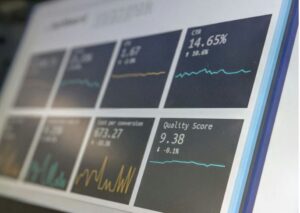
Use Data to Make Confident Decisions
Strong paid media performance depends on clean, reliable data. If your tracking is inconsistent or incomplete, you are just going to end up making decisions based on assumptions, and that’s not good for business progress. That leads to wasted budget and missed opportunities. Accurate conversion tracking, clear attribution models, and consistent reporting give you a clearer pictureof what is actually driving results.
Review your data regularly and look beyond the initial headline numbers; these aren’t always the best view overall. Identify which campaigns attract high-quality leads, not just high volumes. And always look at how different audiences behave once they come to your site. When you treat data as guidance instead of decoration, you gain confidence in your next move.
Build Long-Term Momentum Instead of Short Bursts
Many businesses approach paid media in bursts, which isn’t necessarily a bad thing, but it can be detrimental if not done right. They increase, get bored for a short period, expect instant results, and then pull back when performance fluctuates.
This stop-start approach can sometimes make it difficult to build momentum. Platforms need time to learn. Audiences need repeated exposure to build trust. So, if you are constantly doing this in bursts, it’s not going to hit the mark it needs to.
A steady, structured investment often outperforms aggressive short-term pushes. When you allow campaigns togather data, refine targeting, and optimise creative over time, performance becomes more stable. You reduce volatility and create a foundation that supports predictable growth instead of sudden spikes followed by decline.
Use Data to Make Confident Decisions
Strong paid media performance depends on clean, reliable data. If your tracking is inconsistent or incomplete, you end up making decisions based on assumptions. That leads to wasted budgetand missed opportunities. Accurate conversion tracking, clear attribution models, and consistent reporting give you aclearer picture of what is actually driving results.
Review your data regularly and look beyond headline numbers. Identify which campaigns attract high-quality leads, not just high volumes. Look at how different audiences behave once they land on your site. When you treat data as guidance instead of decoration, you gain confidence in your next move.
Conclusion
Getting more from your paid media budget doesn’t require constant change or new platforms. It requires clarity, alignment, and steady refinement. Focuson outcomes instead of surface metrics. Structure your campaigns around the customer journey. Combine strategic thinking with strong management. And make sure your foundations are solid before scaling.
When you approach paid media this way, your budget starts working with intention. Growth becomes more predictable, and your marketing feels like a structured investment rather than a gamble.