
Building for the future means more than just putting up concrete and steel. It requires a fresh way of thinking about how we design, build, and maintain our cities and commercial spaces. Sustainable infrastructure used to be a niche idea, but now it’s becoming a global economic necessity. This shift is all about creating systems and structures that are good for the environment, strong economically, and built to last for generations. It’s about putting money into long-term value instead of just looking for short-term savings.
The Global Push for Green Infrastructure
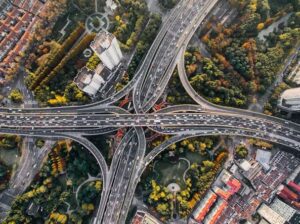
Around the world, governments and businesses are realizing that old building methods just don’t cut it anymore. The push for green infrastructure comes from a need to fight climate change, use resources more smartly, and create healthier communities. This movement covers everything from huge renewable energy projects to local green spaces that help manage stormwater. Choosing to build sustainable infrastructure investment is now seen as a key way to prepare economies for the future. This isn’t just about being eco-friendly; it’s a practical response to the rising costs of extreme weather and running out of resources.
Economic Benefits of Durable Paving
One of the most practical ways to apply sustainable thinking is in the surfaces we build on. Whether it’s public roads or commercial parking lots, choosing tough, long-lasting materials offers big financial benefits. While the upfront cost might be higher, the savings over time are huge. Durable surfaces need fewer repairs and replacements, which means lower maintenance budgets and less downtime for businesses. For commercial properties, well-kept driveways and access roads make the place look better and are safer, directly boosting property value. The U.S. Environmental Protection Agency points out the wide-ranging economic benefits of green infrastructure, including lower infrastructure costs and higher property values.
Innovations in Material Science for Roads
Material science is bringing exciting new ideas that are changing how we build roads and paved areas. Researchers are developing new mixes and methods that make infrastructure last longer while also being better for the environment. For example:
- Permeable Pavements: These surfaces let rainwater soak into the ground below. This cuts down on runoff and refills groundwater, which helps prevent flooding and eases the strain on city storm drains.
- Recycled Materials: Using recycled plastics, rubber, and glass in asphalt mixes keeps waste out of landfills. It can also create road surfaces that are more flexible and durable.
- Self-Healing Concrete: Scientists are working with concrete that has bacteria or tiny capsules inside. These can fix small cracks as they appear, making the material last much longer.
These aren’t just theories; they’re being used in projects globally to build stronger, more cost-effective infrastructure.
Minimizing Environmental Footprint
A main idea behind sustainable building is to keep a project’s environmental impact as small as possible throughout its whole life. This starts during the design phase, with architects and engineers planning for energy efficiency and saving resources. During construction, it means using materials from nearby to cut down on transportation pollution and managing waste responsibly. Even what happens at the end of a building’s life is considered, with designs that make it easier to take apart and recycle materials. This all-around approach makes sure a project’s impact is as low as possible from start to finish, protecting nature and reducing pollution.
Long-Term Value in Commercial Projects
For business owners and property developers, going sustainable is a smart financial move. A commercial building with sustainable features, like efficient HVAC systems, green roofs, and durable paving, sells for more and attracts tenants who care about the environment. These features also lead to lower running costs over the building’s lifetime because of reduced energy bills and maintenance expenses. Investing in good, long-lasting infrastructure is an investment in a business’s long-term profit and success. It shows a commitment to quality and forward-thinking that appeals to customers and partners.
Ultimately, building for tomorrow’s economy means choosing things that are durable, efficient, and resilient. By using sustainable practices in infrastructure, we’re not just putting up buildings and roads; we’re creating the foundation for a more successful and stable future.