



The global conversation about energy is changing. For decades, the world relied on a limited set of resources. Now, a big shift is happening, driven by new ideas, environmental awareness, and smart economics. Renewable energy continues to rise as communities and industries look for cleaner, more sustainable ways to power their future. This isn’t just about swapping old energy sources for new ones; it’s about building a stronger, more varied energy system for generations to come.
Diversifying the Energy Mix
Relying on just one type of fuel for energy is like eating only one food. It works for a while, but it’s not very strong or stable in the long run. Adding different renewable sources like solar, wind, and hydro to the energy mix makes the whole system tougher and more secure. If one source isn’t available, others can pick up the slack. For example, solar power is strongest during the day, while wind energy often picks up at night.
This balanced approach also means less dependence on unpredictable global markets, and it helps local economies. By putting money into various clean energy technologies, regions can use their own natural resources, creating jobs and encouraging new ideas right at home.
Solar Energy’s Growing Footprint
Solar power has become one of the clearest signs of the clean energy movement, and for good reason. The cost of solar panels has dropped a lot in the last ten years, making solar energy more accessible for both homeowners and big power projects. You can spot its impact everywhere, from panels on house roofs to huge solar farms spread across the countryside.
This growth comes from how easily solar can be scaled up or down. A few panels can power a single home, reducing its reliance on the main power grid and lowering electricity bills. For homeowners, learning how to choose the right solar system can make a big difference in matching energy needs, roof space, and budget.
On a much bigger scale, large solar installations can create enough electricity for entire towns. This flexibility means solar can fit into many different settings, giving us a reliable power source during daylight hours.
Harnessing the Power of Wind
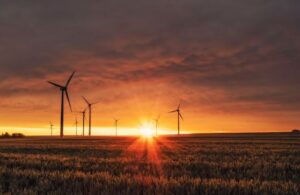
Wind is another big player in renewable energy. By using large turbines to catch the wind’s energy and turn it into electricity, we can generate a lot of power without creating pollution. Wind farms, with dozens or even hundreds of turbines, are becoming common sights in windy areas, both on land and, more and more, out at sea.
Offshore wind farms, in particular, have huge potential because ocean winds are usually stronger and steadier than those on land. Developing wind power isn’t just good for the environment; it’s a big economic boost. These projects create jobs in manufacturing, construction, maintenance, and logistics, helping the economies of the communities that host them.
Beyond Solar and Wind
While solar and wind often get the most attention, they’re only part of a much larger group of renewable solutions. Hydropower, which uses flowing water to make electricity, has been a dependable source of clean energy for over a hundred years. Geothermal energy taps into the Earth’s natural heat, providing a steady power source that works all the time, no matter the weather.
Other promising areas include biomass, which turns organic materials like farm waste into energy, and new ocean technologies that use the power of tides and waves. Each of these sources has its own benefits and works best in different places. This really highlights why it’s important to have a varied approach to renewable energy that’s tailored to each region.
Grid Modernization for Renewables
To handle these new, sometimes changing, energy sources, the electrical grid needs to become smarter and more flexible. Old grids were built for power to flow one way, from big central power plants to homes and businesses. Today’s grid needs to handle power flowing both ways, taking energy from things like rooftop solar panels and managing when wind and solar power aren’t constant.
This upgrade involves two main things: energy storage and smart grid technology. Large battery systems can store extra energy made when it’s sunny or windy, then release it when demand is high or less power is being generated. Smart grids use digital tech to watch energy flow in real time, letting power companies balance supply and demand more accurately. This helps maintain a stable and reliable power supply, even with lots of renewable energy.
Moving to a cleaner energy future is complicated, but it’s also an exciting journey. By using a mix of renewable technologies and investing in the necessary infrastructure, communities and industries can help build a more sustainable and resilient world.