



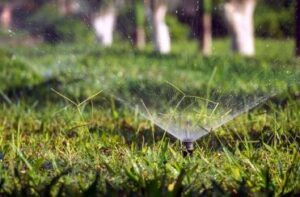
A yard should feel like a place to relax, not a swampy surprise after every rainstorm. If water keeps hanging around your home, it can turn a nice lawn into a muddy mess and cause trouble near your foundation, too. The good news is that you don’t need to be a drainage engineer with a hard hat and a laser level to understand what’s going on. A few smart checks and simple fixes can make a big difference.
Why Water Lingers
Water usually sticks around for a few simple reasons. Your yard may slope the wrong way, your soil may drain slowly, or runoff may be pouring into one spot faster than it can soak in. You’ll often notice the clues before you know the cause.
Look for puddles that stay put a day or two after rain. Watch for soggy grass that squishes under your shoes. Check for mulch washing away from flower beds or damp patches near the base of your home. If your patio looks like it’s trying to become a pond, that’s a clue too.
Drain Options Explained
Water rarely causes trouble in one uniform way. It pools on a lawn after heavy rain, creeps toward a foundation, or sheets across a driveway with nowhere to go. Homeowners comparing various types of French drains find that the differences come down to one question: where is the water sitting, and where does it need to end up? Modern systems move water efficiently with minimal disruption to the yard. Exterior drains run around a home’s perimeter to keep pressure off the foundation. Trench drains take on surface water across driveways, patios, and pool decks.
What links them all is a perforated pipe that redirects water away from the yard, foundation, or whatever area keeps flooding. The right pick depends on whether the issue is surface runoff or saturated soil sitting in the ground.
The best choice depends on where the water starts and where it needs to go. Think of it like giving rainwater a clear exit instead of letting it wander around your yard like a lost tourist. The less guessing water has to do, the better your yard usually behaves.
Clues Around Your Yard
Before you fix anything, take a walk outside during or right after a good rain. It’s one of the easiest ways to see what your yard is trying to tell you. You’re not looking for perfection. You’re looking for patterns.
Start with your downspouts. If they dump water right next to the house, that runoff may be feeding the problem. Then check slopes. Even a slight tilt toward your foundation can encourage water to drift the wrong way. Garden beds can trap water if edging is too high, and patios can collect puddles if they’ve settled over time.
Pay attention to these common trouble spots:
– Corners where gutters overflow
– Low patches in the lawn
– Soil washing onto walkways
– Water pooling near steps or fences
If the same areas stay wet after every storm, that’s useful information. You don’t need fancy tools to spot a problem. Your shoes and your eyes usually know first.
Easy Fixes First
Not every drainage problem needs a full yard makeover. Sometimes the simple stuff works surprisingly well, and it’s usually worth trying before you bring in bigger solutions.
A downspout extension is a classic first move. If roof water is landing too close to the house, extending it several feet away can reduce puddling fast. Cleaning gutters matters too. A clogged gutter can send water over the edge like a tiny waterfall, which sounds charming until it’s soaking your siding.
You can also regrade small low spots with fresh soil so water flows away instead of collecting. In planting areas, choose shrubs or ground cover that handle moisture better. If a patch of lawn never dries, it may need a different approach than just more grass seed.
Try these practical fixes:
– Extend short downspouts
– Clear leaves from gutters
– Fill shallow low spots
– Refresh mulch after runoff
These steps won’t solve every issue, but they often reduce the problem enough to show what’s really going on.
When to Call Pros
Some drainage issues are too stubborn or too risky for a weekend fix. If water is reaching the foundation, seeping into a basement, or returning after every heavy rain, no matter what you try, it’s time to get professional help.
The same goes for erosion. If soil is washing away from beds, exposing roots, or creating channels in the yard, water is moving with more force than it should. Standing water that sticks around for days can also point to deeper problems underground, especially if your yard has heavy clay soil or buried drainage lines that aren’t working.
A pro can figure out whether the problem needs regrading, a better collection system, or a properly placed drain. That matters because the wrong fix can waste money and still leave your yard soggy. Drainage is one of those things where guessing can get expensive.
If the issue affects your home’s structure or keeps coming back, expert advice is less of a luxury and more of a smart shield.
Keeping Things Dry
Once your yard drains better, a little maintenance helps it stay that way. This part is easy to ignore because everything looks fine. Then the next storm shows up and reminds you who’s boss.
Check gutters and downspouts a few times a year, especially after leaves fall. Make sure splash blocks or drain outlets haven’t shifted. If you have gravel drainage areas, clear away debris so water can still move through. After major storms, walk the yard again and look for new low spots or signs that runoff has changed direction.
It also helps to keep an eye on landscaping projects. A new flower bed, edging, or patio can affect how water moves more than people expect. Your yard is kind of like a group project. One small change can make the whole thing weird.
Stay observant, fix little issues early, and your outdoor space is far more likely to stay usable, healthier, and a lot less muddy. Your lawn doesn’t need to become a desert. It just needs a better plan for rainy days.