



Moving large amounts of soil, rock, and other materials efficiently is key to almost every construction and landscaping project. If things go wrong or get delayed early on, it can throw off your whole timeline and budget.
Getting more done in earthmoving isn’t about rushing; it’s about working smarter. This means carefully planning, using the right machines, and managing the site well.
Planning Your Earthworks
A solid plan includes checking the ground (geotechnical surveys) to understand the soil, how stable it is, and where the groundwater sits. Knowing these things helps you prepare for problems like tough rock or needing to drain water, which stops expensive surprises later.
Your plan should also lay out the order of operations. Clearly define when you’ll clear the site, strip topsoil, dig the main bulk, and do the final grading. Mapping out how materials will be moved around the site helps avoid traffic jams and keeps things flowing logically. This means less time wasted by dumpers and excavators sitting idle. A well-thought-out plan is like a blueprint for a project that runs smoothly and gets things done.
Modern Equipment Advantages
Today’s earthmoving machines are a big step up from older models. Many new machines come with telematics systems, which give you live updates on things like how much fuel is being used, how many hours the engine has run, and where the machine is. This data lets project managers keep an eye on performance, schedule maintenance before something breaks, and avoid unexpected downtime.
Plus, technology like GPS machine control makes things incredibly accurate. An excavator guided by GPS can dig to exact depths and angles without needing someone to constantly check with stakes and lasers. This not only speeds up the job but also cuts down on mistakes and rework, saving both time and fuel. Understanding all the modern earthmoving equipment available can help you pick the machines that will give you the best value for your specific project.
Choosing the Optimal Excavator
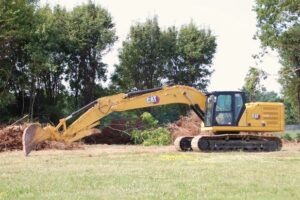
Picking the right excavator is super important for getting earthworks done efficiently. The machine’s size should match the job’s scale. A mini excavator is perfect for tight spots or smaller landscaping, while a big tracked excavator is what you need for moving huge amounts of earth on major civil projects. It’s not just about size, though; things like how deep it can dig, how far it can reach, and how much it can lift are just as crucial.
The attachments you use also make a big difference. Trying to use a standard bucket for a job that needs a rock breaker or an auger will be incredibly slow. For special projects or when you only need equipment for a short time, using a professional excavator hire service lets you access a wide range of machines and attachments. This way, you can pick the perfect tool for each part of the job without having to buy it outright.
Site Management Best Practices
Even with the best plan and equipment, things can slow down without strong site management. Clear and regular communication is essential. Daily meetings with operators and the ground crew make sure everyone knows what needs to be done that day, what dangers to watch out for, and any changes to the plan. This keeps the whole team on the same page and working towards the same goals.
Operator skill is another key factor. A good operator can move more material, more accurately, and put less strain on the machine. Investing in training or making sure your hired operators are experienced really pays off in terms of productivity.
Finally, making sure the work environment is safe isn’t just a rule; it’s vital for efficiency. A well-organised site with clear safety rules reduces the chance of accidents, which are a major cause of project delays and downtime.
A productive earthmoving operation is like a well-tuned machine where planning, equipment, and people all work together smoothly. Focusing on these main areas will help you finish your projects on time and within budget.