


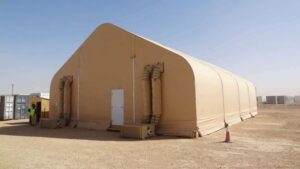
Image Source: Alaska Structures
You can plan every detail and still get caught out by location, weather, or timing. The projects that run well are the ones that stay flexible and keep moving. When infrastructure keeps up with the job instead of slowing it down, everything else becomes easier to manage.
You don’t have the luxury of waiting months for a building to go up when a project is already costing money. In mining, energy, and large construction jobs, delays don’t sit on paper. They hit budgets, schedules, and people on the ground. Sites are often remote, weather can turn quickly, and getting materials in is never as simple as it sounds. That pressure has pushed companies to look for faster, more practical ways to get operational without cutting corners.
Industrial Expansion and the Need for Rapid Infrastructure
Across mining sites, oil and gas projects, and large logistics operations, the pace has picked up significantly. Projects move fast, deadlines move even faster, and once work starts, every day counts. Waiting for traditional construction to catch up is not always an option.
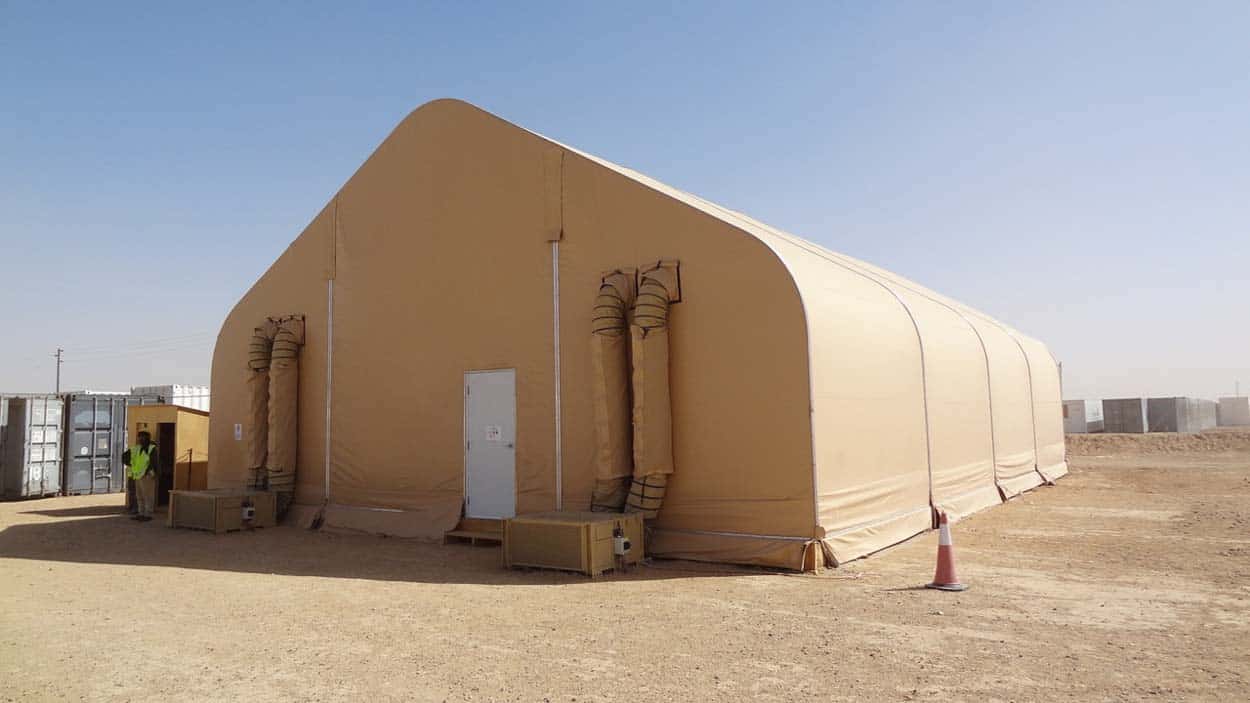
That’s where alternatives like a commercial fabric building come into play. These are not temporary stopgaps. They are engineered structures designed to be deployed quickly, often without the need for permanent foundations. You can get them in place, get teams working, and keep a project moving without long construction delays.
It comes down to getting usable space on-site as quickly as possible. Whether it’s storage, maintenance areas, or workforce facilities, the goal is simple: get up and running and stay on track.
Operational Challenges in Remote and High-Pressure Environments
If you’ve ever worked on a remote site, you already know the headaches. Transport is limited. Skilled labour is harder to get. Weather can turn a simple job into a logistical problem overnight. Where does the staff stay, did anyone think of equipment and materials storage, and where do people eat?
These are not trivial matters, and traditional construction struggles in these conditions. Moving heavy materials into remote areas is expensive and slow. Building on uneven ground adds complexity. Add cold climates, heat, or high winds, and the process becomes even tougher. And all of this affects the bottom line in ways that could be avoided.
In these conditions, you need something that works with the environment, not against it. Something that can be delivered, assembled, and used without turning the site into a construction project before the real work even begins.
That’s where flexible structures start to make sense. They reduce the amount of groundwork needed and cut down on the number of moving parts required to get operational.
Engineering Flexibility Into Modern Industrial Projects
Anyone who has ever worked on infrastructure development projects know projects never stay static. A site that starts small will expand. A storage space might need to become a maintenance area. Plans inevitably change once work gets underway. No matter how well a project is planned, there is always something that goes wrong, and the savvy project manager builds in a contingency for that chaotic factor that always plays a role.
Rigid buildings don’t handle that chaos well. Once they’re up, they’re fixed. Changing them is expensive and time-consuming.
Flexible structures give you room to adapt. You can scale up, reconfigure, or even relocate depending on what the project needs next. That kind of flexibility helps teams respond quickly instead of getting stuck with infrastructure that no longer fits the job.
You also get clear-span interiors, which means fewer internal supports and more usable space. That makes a difference when you’re working with equipment, vehicles, or large volumes of material.
Sector-Specific Applications Driving Adoption
Different industries are picking up on this for practical reasons. In mining, these structures are used for workforce housing, storage, and equipment maintenance. They can be set up fast and handle rough conditions.
In oil and gas, they serve as operational hubs, maintenance areas, and temporary facilities during different project phases. Being able to deploy and adjust quickly keeps work moving.
Construction sites use them for staging areas and on-site storage, especially when timelines are tight. Agriculture uses them for storage and processing, where flexibility and speed are key during busy periods.
Across all these sectors, the thinking is similar. You need something that works now, not something that takes months before it becomes useful.
Strategic Value Beyond Speed and Cost
Speed gets attention first, but it’s not the only benefit. Getting operational faster reduces downtime and helps projects stay within budget. That alone can make a big difference on large-scale work.
There’s also durability to consider. These structures are built to handle tough environments, which means fewer interruptions and less ongoing hassle.
When you look at the bigger picture, it’s about keeping things moving. You want infrastructure that supports the work instead of slowing it down. When everything is aligned, from setup to daily use, the entire operation runs more smoothly, and that shows where it matters most: in timelines and costs.

Add Comment