




From the outside, farming can look like a peaceful and even idyllic way of life.
But the reality is a lot different. It’s challenging. Some of those challenges are inherent to farming, but some of them are induced by our decisions. Every farmer understands the stress and frustration that comes from stepping out one morning, only to discover a vital piece of equipment has been damaged overnight and is no longer fit for purpose.
That can seem like a stroke of bad luck that simply makes your job more difficult, but in reality, it could have been prevented if you’d bought equipment that was made to last. Buying quality goods takes more effort than buying the first one you come across, but it’s worth it — it’s an investment that can prevent a lot of unnecessary stress further down the line.
If you’re looking for a way to make farming more low-maintenance (and who isn’t?), then this page is for you. We’ll run through some of the key things to get right now, so that you can simply forget about them.
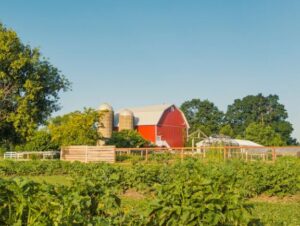
Image Source: Pexels – CC0 Licence
A Robust Water Harvesting System
A good water harvesting system might sound like a novel idea if your farm has been depending on municipal water, but it’s far from new: this is how farmers have been doing it for thousands of years. Investing in a good system helps to make your farm more eco-friendly, lowers costs, and gives peace of mind that you’re not dependent on an external system. It can also help to shift how you think about the rain; instead of being a wet and cold inconvenience, it becomes something that you genuinely like to see.
Concrete Water Trough
Water troughs are essential, yet you wouldn’t know that by looking at the troughs that you’ll find on many farms. While you can see why farmers — especially new ones — install plastic or metal troughs, the fact is that they’re often very quick to experience a level of damage that puts them out of commission. When that happens, you have to urgently buy a replacement, which in itself might break sooner than you’d like it to. Investing in concrete water troughs is the solution to this problem. With concrete troughs, you can have full confidence that your all-important trough will be standing there for many years to come; you can simply get it in the ground, and then essentially forget about it.
Stone Pathways
Installing stone pathways at your farm might be the biggest job on this list, but it’s an effort worth making. When mud season arrives, you need a safe and stable way to move around your property. While beginner farmers are tempted to put down wood chips or gravel, they’re often insufficient when the mud arrives. Installing made-to-last stone pathways makes a meaningful difference to how you’re able to get around during and following rainy weather — and as a bonus, it’ll even help to reduce the amount of mud that you can walk into your house, too.



Add Comment