



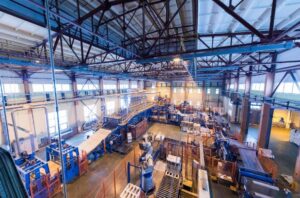
Most production problems do not start with a major breakdown. They start with small delays that repeat all day. An operator waits for material. A machine sits idle during changeover. Finished parts pile up near inspection. Nothing looks serious at first. By the end of the week, the schedule feels harder to control.
Many factories across the United States deal with this every day.
Small Problems Slowly Hurt Production
Most supervisors already know where time gets wasted. The problem is finding enough time to fix it properly.
Some delays show up constantly on the floor:
- Operators searching for tools
- Material arriving late to workstations
- Forklifts blocking production areas
- Setup changes taking too long
- Maintenance requests sitting too long
These issues drain production little by little.
Plants trying to improve process efficiency start with the problems employees complain about. Those complaints usually point toward the real bottlenecks.
Some Bad Processes Become Normal
That happens more often than people admit.
Employees sometimes stop noticing inefficient systems because they deal with them every shift. The extra movement and delays become routine.
A small fabrication shop in Indiana changed the layout inside its material storage area last year. Operators had spent years walking back and forth across the floor for supplies. Management finally reorganized the area after repeated complaints.
The improvement looked simple. Production moved faster almost immediately.
No expensive software caused the change. The workflow just made more sense afterward.
Lean Manufacturing Works Better Without the Buzzwords
Some companies turn lean manufacturing into a presentation instead of a production strategy.
That usually loses the floor staff pretty quickly.
Operators care about practical improvements. They want fewer delays, smoother setups, and less wasted movement during the shift.
Most manufacturing reviews uncover familiar problems:
- Long setup times
- Poor workstation layout
- Delayed maintenance response
- Excess movement between stations
- Repeated quality defects
These issues affect output every day.
One delay near the start of production usually creates problems later in the shift. Shipping schedules tighten. Supervisors adjust priorities repeatedly. Overtime becomes common.
That cycle wears teams down over time.
Better Visibility Helps Managers Respond Faster
Some factories still rely too heavily on paper tracking and delayed reporting.
By the time managers review the numbers, production has already moved into the next problem.
More facilities now track operations in real time, including:
- Downtime frequency
- Scrap rates
- Shift productivity
- Maintenance schedules
- Production pacing
Clear information helps supervisors react faster.
Software Will Not Fix a Bad Workflow
Some plants invest heavily in technology while the actual production process stays disorganized.
Employees notice that quickly.
Experienced operations managers usually start with simpler questions:
- Why does material movement slow down here?
- Why do setup delays keep happening?
- Why does maintenance stay reactive?
- Why do defects increase during busy shifts?
Those answers usually expose the real production problems.
Technology becomes more useful once the workflow itself improves.
Labor Shortages Keep Adding Pressure
Many manufacturers still struggle to hire skilled workers. Experienced machinists, welders, and maintenance technicians remain difficult to find in many regions.
That pressure changes how plants think about productivity.
More facilities now focus on:
- Reducing wasted movement
- Cross-training operators
- Preventing avoidable downtime
- Simplifying production steps
- Standardizing repetitive tasks
These changes help maintain output without exhausting employees.
Production teams also work better when systems run smoothly. Constant interruptions frustrate people faster than most reports show.
Consistent Processes Improve Product Quality
Quality issues rarely begin during final inspection.
Most defects start earlier during production. One shift follows set up procedures carefully. Another rushes through adjustments during a busy run.
Small inconsistencies build over time.
Manufacturers with consistent workflows reduces defects faster than facilities relying only on inspections.
Strong process control often includes:
- Clear setup instructions
- Scheduled calibration checks
- Routine operator training
- Defined inspection procedures
- Consistent maintenance schedules
These systems improve production consistency across departments.
That matters significantly in automotive, aerospace, medical, and food manufacturing. It is because small quality problems become expensive very quickly.
Final Thoughts
Manufacturing efficiency usually improves through smaller changes repeated consistently over time.
Clearer workflows help. Faster maintenance response helps. Better communication helps too.
Most factories already know where production slows down. The difficult part involves fixing those problems before they become part of the routine.