As the only organisation dedicated exclusively to the interests of zinc, the International Zinc Association (IZA) is a unique organisation set on promoting and advancing the role of zinc in everyday life. For IZA, zinc is a fundamental metal that is needed for everyday life. From its use across the engineering field to the use of zinc in medical and automotive manufacturing sectors, zinc is a prominent material for everyday life, and so its development and the zinc-associated industry hold a prominent place in the global economy. Thus, IZA is on a mission to provide global leadership, coordination and add value on the strategic issues of the zinc industry.
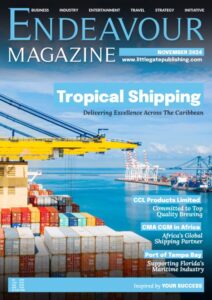
Check out the article in the magazine below:
IZA ‘s membership spans the globe, with its members representing an impressive 60% of the worldwide production of zinc and 80% of all production of zinc in the Western Hemisphere. Thus, IZA’s members are pivotal to the global adoption and development of zinc, with the majority coming from the mining and refining industries. For this reason, mining and refining organisations are given full membership under IZA, due to the prominent role they play in the development of zinc on a global scale. IZA’s members are given seats on the Association’s board of directors and so get to give first-hand input into the progress and development of the sector under the Association’s authority. Furthermore, such members are also given voting rights at the Annual General Meeting, which is a pivotal convergence of the Association to help steer the mission and direction of the Association for the future.
However, IZA is also made up of affiliate and associate members who play a pivotal role in the Association, too. Affiliate members of IZA include exploration companies, recyclers, oxide producers, and first users of zinc. Alongside this, other members include companies that are interested in the development and promotion of zinc and its users. Then, for Associate members, this includes industry trade associations, universities, research institutes and other non-commercial organisations. Collectively, these members play a key role in the development, enhancement and promotion of the zinc industry. Thus, in return for their membership, they gain access to IZA’s networks for better sharing, collaboration and enhancement of the industry.
Today, IZA’s operations focus on the global championing of the zinc industry, with the Association acting as an advocate for the sector. Within this, IZA and its members seek to grow and protect zinc markets, whilst the Association provides the framework from which the industry’s stakeholders can coordinate and network. The central goal is to promote and highlight the vital role of zinc on a global scale. IZA’s operation can be broken down into three core program areas, including technology and market development, which aims to build sustainable zinc markets, environment, health and sustainability, which ensures the industry’s licence to operate, and communications, which promotes zinc as a sustainable material that is essential for modern life.
IZA’s operations focus on two primary markets: first use and end use. End user markets include those in the automotive, energy storage, fertiliser, food security, infrastructure and renewable energy. The automotive sector has been a key driver of zinc markets, as zinc is used in galvanising steel for use in automotive components. Galvanised steel in autobody parts makes components stronger, more formable and considerably less expensive than those using aluminium parts. Therefore, the resulting steel is durable and long-lasting on vehicles, making the zinc used in the galvanisation process an essential element of the industry.
Zinc is also a primary component in zinc energy storage, which is a growing market, especially when it comes to renewable energy. Batteries are becoming more and more in demand as the energy and transportation industries are implementing more sustainability in their operations. Thus, many batteries are being made with zinc, because they offer a flexible, long-life cycle source of energy and require minimal upkeep to maintain their performance and safety. This makes zinc batteries ideal across a wide range of applications, whilst still being lower in cost to produce than others on the market. These two uses of zinc highlight just two vital industries where zinc adoption is being explored and supported. In these industries, IZA and its relevant members are supporting the adoption of zinc as a useful and versatile option that is both sustainable and effective.
Furthermore, first user markets include zinc alloy castings, coatings, chemicals, sheet and zinc-rich paints. Zinc alloys are a vital component of die casting, which is used in a wide variety of industries, including transport, electronics, housing, and even the medical sector – to name just a few. These alloys provide a strong and durable option, which is corrosion-resistant and can still be produced at a low-cost. With the growth of the population, the demand for zinc alloys is rising, and so the need for zinc products continues to see a significant boost. Another key sector is chemicals, where zinc dust and powder are used in the manufacturing of a multitude of everyday products. Here, zinc oxide is the most widely used zinc compound, which is used in coatings, lubricants, glass and ceramics, electronics, pharmaceuticals, plastics, tyres, animal feed, chemicals, batteries, fertilisers, and even solar energy development. This wide array of applications highlights just how valuable zinc is for such a diverse array of industries, and so IZA is focused on promoting the application of zinc in these categories to highlight its vital role in our everyday lives.
Aside from its applications in various industries, IZA is also passionate about the role zinc plays in our health. For many, zinc deficiencies, especially those in children, can be fatal. According to IZA, 15% of the global population is zinc-deficient, with around 116 thousand children dying from zinc deficiencies every year. Zinc deficiencies result in a weakened immune system, as the body struggles to fight off pathogens, which could lead to an increased susceptibility to infections. Therefore, IZA have developed the Zinc Saves Kids initiative in partnership with UNICEF to deliver cost-effective and high-impact solutions to treat zinc deficiency. This includes food fortification, macronutrient supplementation, and treatment for diarrhoea. Since Zinc Saves Kids was established, the initiative has raised over USD 4 million, helping to improve the survival and health of young children experiencing zinc deficiency. The role of IZA as part of Zinc Saves Lives highlights the association’s commitment to developing the adoption of zinc for infrastructural, technological, sustainable and health development.
As we can see across IZA’s operations, zinc is a valuable metal and one that is pivotal to our everyday lives; from the technology we use every day, to the role it will play in the global push towards a sustainable future through the likes of energy storage and electric vehicle development. Thus, IZA is committed to highlighting the positive and essential role zinc plays in modern daily life, whilst promoting the industry on a global scale. It’s clear that many industries rely on zinc, and so the Association’s members work together to deliver a zinc industry that will continue to benefit sectors across the globe, whilst also highlighting its vital role in human health too. We look forward to seeing how IZA will continue to enhance its member network, to highlight just how valuable and vital zinc is for modern life.