



Picking the right materials is a big deal for any construction or fabrication project. It can make or break the whole thing. This choice affects everything from your initial budget and timeline to how safe, durable, and expensive to maintain the structure will be in the long run. Getting it right early on saves you from costly reworks and makes sure the final product works as it should for its entire life.
Understanding Project Requirements
Before you order any materials, you need to really dig into what your project needs. This means looking past just the basic plans and thinking about a bunch of different things. What’s the main job of this structure? What kind of environment will it face, like salty air by the coast, high humidity, or extreme temperatures? How much weight does it need to hold, and how long do you expect it to last? Answering these questions helps you figure out exactly what kind of material you need. For example, the factors for choosing building supplies for a backyard patio are totally different from what you’d need for a big warehouse or a public bridge.
The Versatility of Steel
Out of all the materials available, steel is still a top pick for so many different uses because of its unique qualities. Its high strength means it can handle huge forces, and it’s relatively light compared to other materials that are just as strong, making it easier to move and put up. This flexibility is why you see it everywhere, from huge skyscrapers and long bridges to house frames and fancy architectural details. Plus, steel is one of the most recycled materials in the world, which makes it a good choice for the environment. The importance of metal in construction is clear in how adaptable it is; different steel grades and alloys are engineered to provide properties such as improved corrosion resistance or greater heat tolerance.
Expert Material Selection
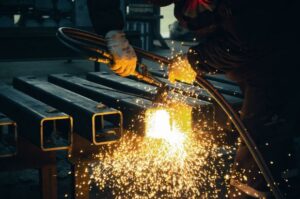
Just deciding to use steel isn’t the end of it. There are tons of different kinds and shapes of steel, and each one is best for a specific job. This is where getting advice from an expert really helps. A specialist can look at your project’s exact needs and suggest the best type of steel. Maybe it’s stainless steel for a place where corrosion is a problem, or high-strength structural steel for a frame that needs to hold a lot of weight. On top of that, professionals can handle the whole process of steel fabrication, which means cutting, bending, and shaping the raw material to fit your design perfectly. This makes sure every part fits just right and works its best within the bigger structure.
Long-Term Performance Factors
The materials you pick today will directly affect how well your project performs for decades. A cheaper, lower-quality material might save you money at first, but it could end up costing a lot more later on with early failures, frequent repairs, and higher maintenance. You need to think about things like rust, metal getting tired, and how it performs under pressure. For instance, in many parts of Australia, buildings have to stand up to harsh UV rays and big temperature swings. Choosing a material with the right protective coatings and natural toughness means your asset stays safe, works well, and looks good with minimal upkeep, giving you a better return on your investment over its lifetime.
Sourcing Quality Steel
Once you know what material you need, the last step is to get it from a good supplier. The quality of the raw material is just as important as picking it in the first place. Good steel suppliers follow strict Australian standards, giving you materials that are certified, traceable, and always the same quality. They should be able to show you documents that prove what the steel is made of and how strong it is. Working with a trusted supplier guarantees that the material delivered to your site is exactly what you asked for, has no flaws, and will perform as expected, protecting your whole project.
Putting thought and expertise into choosing materials isn’t just an expense; it’s a vital investment in how good, safe, and long-lasting your project will be. A well-chosen material is the backbone of success, making sure the final result isn’t just built to spec, but built to last.