
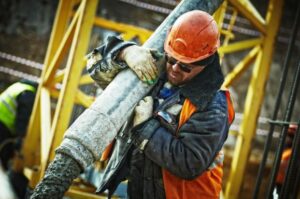
There are hundreds of different types of workplaces that span different industries, all with different hazards that you might have to contend with. Mitigating these risks will keep lives and materials safe, and it can even make the workplace more productive and cheaper to run.
Let’s break down some of the most common workplace hazards, as well as why it’s so important to make these environments safer, and the best methods to do so.
Common Workplace Hazards Across Industries
As mentioned before, there can be lots of potential dangers in the workplace that differ according to the industry and area you work in. For example, a construction site will have very different hazards to an office.
The most common workplace hazards are simple things like slips and trips, where people fall over obstacles in their way. These can happen anywhere, and while they seem minor, a fall can be far more devastating than you might think. Depending on how someone lands, they can suffer from anything between a bruised ego and a major injury. Some people have even died from a bad fall.
This isn’t to say that everyone should be wrapped in cotton wool just in case they trip and hurt themselves. But we can mitigate these dangers in reasonable ways. Clean up any spillages and tidy away obstacles that might be in walkways to reduce the risk of people falling. This principle should be used for any hazard.
Other common hazards include:
- Injuries due to poor ergonomics when sitting at a desk for long periods
- Falls from a height
- Items falling from above
- Hand injuries when carrying heavy items, handling stock, or using equipment
- Manual handling injuries
- Burns or cuts when using certain equipment or handling dangerous materials
- Electrocution when using faulty equipment
- Hazardous gas, pathogens, or other materials
- Dangerous temperatures in certain environments
- Crush injuries from heavy machinery or unsecured stock
- Overworking and burnout
This is by no means an exhaustive list of potential hazards in the workplace, and some workplaces won’t encounter these challenges. But it should give you an idea of what could happen if proper steps aren’t taken.
The Costs of an Unsafe Workplace
The most obvious and significant cost of an unsafe workplace is the risk to the employees. People can be severely hurt with life-changing injuries or even killed in some workplaces. This cost alone is a good enough reason to ensure that the workplace is as safe an environment as reasonably possible.
Even if you live in a country where you don’t pay medical bills, this doesn’t mean that getting injured comes free. As well as the pain, someone with a severe injury might not be able to work in their field anymore, whether temporarily as they heal or even permanently. That represents lost income and the inability to progress in their career.
There’s also the fact that some people might need to get private medical care for the best treatment to help them recover more fully. This could include private mental health services to help with the trauma.
There are also costs to the employers. As well as having to potentially pay sick leave and compensation, the employers will be investigated to ensure that the injury wasn’t due to negligence. This could represent significant legal bills and even fines.
As well as damage to the people involved, equipment and machinery could also be damaged in an accident. The project might have to shut down temporarily, and, in some cases, a major accident could lead to the death of a company.
With this in mind, let’s move on to how to make a workplace safer.
Maintaining Heavy Machinery and Equipment
Several of the hazards mentioned earlier could be caused by heavy machinery and equipment. This might include equipment like laptops in an office environment, ovens and fryers in a commercial kitchen, or even huge machinery like cranes or diggers on a construction site.
As you might expect, a laptop has much less potential to seriously injure someone than a crane, but you still want to make sure that it’s in good working condition.
Do regular maintenance checks on all of your equipment. While this might slow down production during the checks, it’s much quicker and cheaper than having to repair or replace broken-down equipment unexpectedly. It also means that employees are far safer when using the equipment.
Appropriate Personal Protective Equipment
As well as the big machinery that makes work possible, you also need to think about personal equipment designed to keep people safe. The appropriate PPE will differ depending on the workplace it’s needed in.
For example, someone who works underwater or in an area with limited oxygen will need the proper breathing apparatus according to the hazards they’re dealing with. On the other hand, a surgeon will need very different PPE designed to keep themselves and their patients safe.
Always do research and determine what equipment people need before they go on site.
Well-Trained Employees
One of the most important aspects of a safe work environment is an environment where people are trained and qualified for the work they do. If someone is using equipment or heavy machinery like a forklift, they might need a license or other certification to prove that they have been trained in the safe use of that equipment.
When hiring new employees, even if they have the right qualifications on paper, it’s always important to make sure that they’re trained in your procedures before they start working properly. A quick induction can make the work safer and far more productive.
Emergency Procedures and Training
As well as industry-specific training and qualifications, you also want to consider things like first aid training that can be appropriate in different areas. Ideally, you want to have a first-aider on-site at all times, especially in a more dangerous workplace or industry. This means you can react quickly if someone is injured.
It’s also important to make sure everyone is trained in emergency and evacuation procedures, so if something goes really wrong, people can act quickly, calmly, and safely to minimise the damage.