



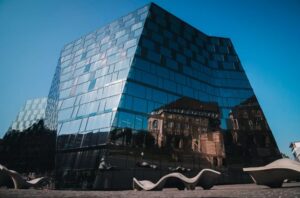
When we picture a modern cityscape, we often see gleaming towers of glass and steel. But beyond looking good, the glass in today’s buildings is a highly engineered material, key to sustainable design. Advanced glazing technologies are changing how buildings interact with their surroundings. They help architects and developers create structures that are not just beautiful, but also energy-efficient, safe, and comfortable for the people inside.
Glass Innovations for Green Design
Modern glass is much more than just a clear barrier. New glazing technology has created materials that actively help a building perform better. A big step forward is using low-emissivity (Low-E) coatings. These are super-thin, clear coatings put on the glass surface to reflect infrared energy. In winter, this means heat from inside stays in, and in summer, unwanted heat from the sun is kept out. This technology works with double and triple-pane insulated glass units (IGUs). These units have a gas-filled gap between the panes, which further slows down heat transfer.
Meeting Safety Standards with Architectural Glass
While saving energy is a major goal, safety is always a must in building design. Modern glass has to meet strict building codes that protect people from dangers like fire, impact, and security threats. For example, tempered glass is heat-treated to be much stronger than regular glass. When it breaks, it shatters into small, dull pieces, which makes it less likely to cause injury. Laminated glass has a polymer layer that holds the glass together when it breaks, adding security and impact resistance. For crucial safety uses, special fire-rated glass acts as a barrier against flames and smoke, containing a fire and letting people get out safely. Picking the right architectural glass is vital for making buildings that are compliant, secure, and tough.
Energy Efficiency in Commercial Buildings
Buildings use a lot of energy, and glass plays a huge part in controlling that use. Big glass facades can let in tons of natural light, cutting down on the need for artificial lighting. This artificial lighting makes up a big chunk of a commercial building’s electricity bill. But designers also have to manage how much heat comes in from the sun. By using high-performance glass with the right coatings and tints, they can get plenty of daylight while easing the burden on heating, ventilation, and air conditioning (HVAC) systems. When advanced glass is combined with smart building controls, it can dramatically reduce a building’s energy consumption and operating costs over the building’s lifespan.
Beyond Aesthetics: Functional Glass
Advanced glass does more than just save energy and keep people safe. In busy cities, noise can be a real problem. Acoustic laminated glass has a special layer that dulls sound vibrations, making offices, homes, and hospitals quieter inside. Other cool things include self-cleaning glass, which has a coating that breaks down dirt, then rain washes it away. Bird-friendly glass has patterns that birds can see but are subtle to humans, helping to prevent millions of bird collisions with buildings each year. These special uses show how glass can be customized to solve specific environmental and practical problems.
The Future of Building Envelopes
Architectural glass is still evolving. Researchers are working on new technologies that will make it even harder to tell where building materials end and active systems begin. One exciting area is building-integrated photovoltaics (BIPV), where clear solar cells are built right into the glass itself. This lets windows and facades generate electricity. Another development is dynamic glass, which can change its tint, transparency, or how much light it reflects based on real-time conditions or what users want. These smart technologies promise to create highly adaptable and responsive building exteriors that are a key part of a sustainable, net-zero future.
Glass isn’t just a passive part of building design anymore. It’s a dynamic, multi-functional material that’s essential for reaching our goals of a more sustainable and resilient built environment.