

The global trade of premium livestock is a specialised industry. It involves moving high-value genetic material across continents through carefully managed trade networks. This process involves complex logistics, strict regulations, and significant economic implications for the countries involved. This trade is key to improving food security, boosting agricultural productivity, and building strong herds that can thrive in different climates worldwide.
Demand for Quality Genetics
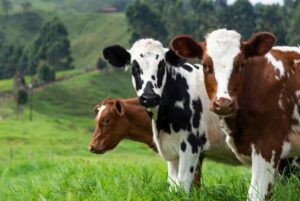
A key driver of international livestock trade is global demand for high-quality genetics. Countries want to improve their local herds by bringing in animals with good traits. This could mean higher milk yields, better meat quality, more disease resistance, or better ability to adapt to local environments. For example, dairy industries globally import Holstein-Friesian cattle to get more milk, while beef producers look for Angus or Wagyu bloodlines to improve their product’s quality.
This focus on improved genetics supports nations seeking to strengthen their farming sectors. Finding these elite animals is a specialised process. It often means partnering with an experienced Livestock export company that can find and buy breeding stock that fits specific needs. However, genetics are only one part of successful livestock production. Proper nutrition and access to quality livestock nutrition are also essential for supporting animal health, growth, and productivity. Understanding the market is also important, and many global dairy trade insights can help producers make smart choices about which genetics will give them the best return on investment.
Navigating International Regulations
Moving live animals across borders is controlled by a complex set of international and national rules. These rules are there to protect animal health and stop diseases from spreading. Every shipment has to meet the specific import rules of the destination country, as well as the export standards of the country it’s coming from. This involves a lot of health testing, quarantine periods, and detailed paperwork.
Exporters have to handle a lot of documents, including health certificates, export permits, and customs declarations. Each country has its own biosecurity rules, which can change if there are global animal health issues. The process is governed by international trade regulations that establish requirements for agricultural commerce. If even one rule isn’t followed, it can lead to expensive delays or the whole shipment being rejected. That’s why careful planning and expertise are so important.
Logistics of Live Animal Transport
Transporting live animals over long distances requires specialised logistics focused on health and welfare. Livestock carriers use purpose-built facilities with proper ventilation, space, food, and water access to support animals during transit. Veterinarians and stock handlers monitor their condition, manage care routines, and ensure welfare standards are maintained. Before export, animals typically undergo quarantine, health checks, and preparation to help ensure a safe journey.
Economic Impact on Exporting Nations
For countries like Australia, the live export industry is a crucial part of the farming economy. It provides important revenue opportunities for livestock producers while complementing local processing industries. The economic benefits go beyond the farm. They support many related industries.
This includes transport and logistics companies, feed suppliers, veterinarians, and rural communities that rely on farming for jobs and economic stability. Exporting breeding animals, in particular, builds a reputation for excellent genetics. This can open doors to more trade opportunities and strengthen relationships with importing nations.
Emerging Markets and Opportunities
While markets in the Middle East and Southeast Asia remain strong, new opportunities are emerging as developing nations expand their farming industries. Demand is growing for high-quality breeding stock suited to challenging climates and specific production needs.
Expanding into new markets, including those seeking goats and sheep for dairy and meat production, will support the future growth of global livestock trade. Moving premium livestock helps share genetic progress worldwide while supporting food security and sustainable agricultural development.