



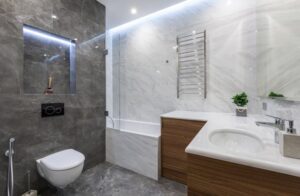
Open concept bathrooms look amazing in photos. Huge walk-in showers, floating vanities, giant mirrors, clean tile lines, natural light everywhere, barely any visual barriers. The whole space feels calm, modern, and expensive the second somebody walks in. That is exactly why so many homeowners want the look now. A well-designed open bathroom can make an ordinary house feel instantly upgraded without needing flashy luxury features everywhere.
The problem is that a lot of open bathroom layouts stop functioning well once real daily life enters the picture. Water spreads everywhere, storage disappears, echoes get annoying, privacy feels awkward, and oversized fixtures suddenly make the room harder to move through instead of more relaxing. Open layouts need smarter planning than people expect because every detail becomes more visible and more important once walls and separation start disappearing.
Choosing Shower Layouts Strategically
People love the idea of giant open showers with barely any barriers, yet if the layout is wrong, water ends up everywhere constantly. Floors stay wet, rugs never dry properly, and suddenly the relaxing spa vibe starts feeling annoying during everyday routines. Open showers need smart placement, proper drainage, and enough separation to keep the rest of the bathroom functional after somebody actually uses it.
Many homeowners bring in shower replacement experts during remodel planning instead of simply copying trendy inspiration photos online. Professionals help redesign older shower setups with better drainage slopes, smarter glass placement, upgraded fixtures, and layouts that control water spread much more effectively inside open bathrooms. A beautiful shower loses its appeal pretty fast once puddles start reaching the vanity or storage area daily.
Balancing Natural Light Placement
Natural light makes open bathrooms look incredible. Sunlight bouncing across tile, mirrors, glass, and lighter surfaces instantly makes the whole space feel larger and calmer. Big windows, skylights, and brighter layouts help open bathrooms avoid feeling boxed in, especially during mornings when softer natural lighting completely changes the atmosphere of the room.
The tricky part is privacy because open bathrooms already remove a lot of separation visually. Huge uncovered windows may look beautiful online, yet real life feels different once neighbors, nearby houses, or direct visibility become part of the equation. Frosted glass, higher window placement, layered coverings, and strategic lighting help balance openness without making the room feel exposed.
Using Partial Privacy Dividers
A lot of homeowners think open concept means removing every divider completely, yet that usually creates awkward layouts surprisingly fast. Bathrooms still need subtle separation between different zones, even if the space overall stays visually open. Tiny design elements like half walls, slatted wood dividers, frosted glass panels, or partial screens help create structure without making the room feel closed off again.
Those smaller dividers actually improve the design because they make the layout feel intentional instead of empty. A vanity area feels calmer once slightly separated from the shower. Toilet areas feel more private without needing full walls everywhere. The room still keeps that airy, open atmosphere people want, yet it functions much better during everyday routines.
Avoiding Oversized Fixtures
People sometimes overload open bathrooms with giant tubs, oversized vanities, huge storage pieces, and bulky fixtures because the room initially feels spacious enough to handle everything. Then suddenly the layout feels crowded even though the bathroom itself may actually be large. Open concept designs rely heavily on movement and breathing room. Once oversized fixtures start interrupting pathways, the entire space loses that relaxed, effortless feeling very quickly.
This happens a lot with freestanding tubs placed awkwardly in the middle of the room or oversized double vanities that dominate too much floor space visually. Open bathrooms need balance more than sheer size. Every fixture should support movement naturally instead of fighting for attention constantly. Smaller floating vanities, cleaner storage solutions, and carefully scaled fixtures usually create much stronger open layouts because the room keeps its visual openness while still staying practical during busy mornings and everyday use.
Avoiding Echo and Sound Issues
Open bathrooms can sound surprisingly loud once everything is finished. Tile, glass, stone, mirrors, and open layouts bounce sound everywhere, which creates that hollow echo effect that people usually do not think about during the design phase. A bathroom may look calm visually while sounding like somebody is talking inside a tunnel every morning.
The easiest fix usually comes from adding softer layers into the space naturally. Textured towels, wood accents, rugs, fabric window treatments, ceiling details, and warmer finishes help absorb sound without ruining the clean look of the bathroom. Even mixed materials make a difference because too many hard reflective surfaces together can make the room feel cold both visually and acoustically.
Creating Better Traffic Flow
A bathroom can look beautiful and still feel annoying to use daily if the layout flow makes no sense. Open concept bathrooms need smooth movement between the vanity, shower, storage, and dressing areas because everything becomes more exposed once walls disappear. If somebody constantly bumps into cabinet doors, squeezes around fixtures, or walks across wet flooring to grab towels, the layout starts feeling frustrating fast.
Good traffic flow usually feels invisible once it works correctly. You move naturally between zones without thinking about it. Towels sit close to the shower. Storage feels accessible. The vanity has enough surrounding space for actual daily routines. Open layouts work best once homeowners prioritize function before dramatic visual design decisions.
Using Floor Texture Changes
One smart thing open bathrooms do really well is use flooring to separate areas without adding physical walls everywhere. Slight tile changes, texture shifts, drainage slopes, or subtle pattern differences help define where the shower starts, where the vanity sits, or where dressing areas begin while still keeping the room visually open overall.
This approach helps large bathrooms feel much more organized because the eye naturally understands the layout without needing obvious barriers. A textured tile inside the shower instantly creates separation from the smoother vanity flooring nearby.
Using Glass Features
Glass looks amazing inside open bathrooms because it keeps the room feeling bright, modern, and visually connected without blocking light or making the layout feel smaller. Frameless shower panels especially became popular because they preserve openness while still helping contain moisture better than fully open shower setups.
The problem is that too much glass quickly turns into a cleaning nightmare. Water spots, soap residue, fingerprints, and streaks become visible constantly, especially in bathrooms used heavily every day. Homeowners usually enjoy glass most once it gets used strategically instead of covering every surface possible. A simple panel near the shower may work far better long term than giant floor-to-ceiling glass sections everywhere.
Open concept bathrooms can feel calming and incredibly modern once the layout balances openness with actual daily function. The best designs still feel relaxed and spacious, yet they also handle real life comfortably every single day.