


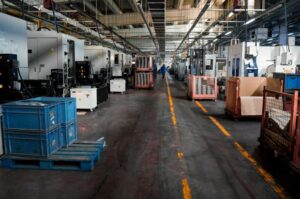
A manufacturing facility can only perform well when every part of the operation works together efficiently. Strong production numbers do not happen by accident. They come from careful planning, organized systems, reliable equipment, trained employees, and consistent quality standards. Even small problems inside a facility can slow production, increase waste, and create safety concerns that affect the entire business.
Today’s manufacturing industry is more demanding than ever. Customers expect fast delivery, high-quality products, and dependable service. At the same time, manufacturers must control costs, maintain safety standards, and keep operations running without unnecessary downtime.
Companies that invest in the right systems and processes often see better efficiency, stronger employee morale, and improved long-term growth.
This article will guide you through the most important factors behind a well-managed manufacturing facility.
The Importance of Reliable Labels and Identification Systems
Reliable labeling systems keep manufacturing facilities organized and reduce unnecessary mistakes. Clear labels on chemicals, storage containers, machinery, and inventory help employees identify materials quickly and safely. Barcode systems also improve tracking by making shipments, inventory checks, and product movement easier to manage throughout the facility.
Poor labeling can create serious problems. Employees may handle the wrong materials, products may get misplaced, and safety risks may increase. This is why many industry leaders work with a trusted industrial labels manufacturer for durable and accurate labeling solutions. High-quality labels hold up against heat, moisture, chemicals, and constant handling, helping operations remain smooth even in demanding environments.
Strong Leadership and Clear Operational Goals
A manufacturing facility runs better when leadership stays organized and involved in daily operations. Employees perform with more confidence when expectations are clear, and communication stays consistent. Managers who understand production goals, equipment needs, and workforce challenges can respond quickly when issues appear.
Good leadership also creates accountability across departments. Instead of confusion or delays, teams know what needs attention and how their work contributes to production targets. Facilities that operate with clear goals often experience fewer disruptions because everyone follows the same direction.
Proper Employee Training and Skill Development
Employees perform better when they fully understand the equipment, systems, and procedures used inside a facility. Training gives workers the confidence to complete tasks correctly while reducing avoidable errors that slow production. It also helps new employees adjust faster and become productive members of the team.
Skill development should continue even after onboarding. Manufacturing technology changes regularly, and workers benefit from learning updated systems and techniques. Facilities that invest in training often notice stronger teamwork and improved efficiency because employees feel prepared for their responsibilities. Workers who understand their roles clearly are also more likely to follow safety procedures and maintain consistent product quality during daily operations.
Workplace Safety and Compliance Standards
Safety plays a major role in maintaining a productive manufacturing environment. Employees need clean workspaces, functioning equipment, and clear procedures to perform their jobs safely. When facilities ignore safety standards, accidents become more likely, leading to production delays, damaged equipment, and employee concerns.
Strong compliance practices also protect businesses from costly violations and legal problems. Regular inspections, safety drills, and updated training help facilities stay aligned with industry regulations. Employees tend to work more confidently when they know the company prioritizes their well-being.
Preventive Maintenance for Equipment and Machinery
Machinery problems can interrupt production quickly, especially when facilities wait until equipment breaks before fixing it. Preventive maintenance helps reduce unexpected shutdowns by identifying small issues before they turn into expensive repairs. Regular inspections, lubrication, and system testing keep machines running efficiently and extend their lifespan.
Facilities that follow maintenance schedules often experience smoother production cycles and fewer delays. Employees can focus on their responsibilities without constantly dealing with equipment failures or rushed repairs. Preventive maintenance also improves workplace safety since malfunctioning machinery can create serious hazards.
Efficient Inventory and Supply Chain Management
Manufacturing facilities depend heavily on steady inventory flow and reliable suppliers. When materials arrive late or stock levels are inaccurate, production schedules can quickly fall apart. Good inventory management helps facilities keep enough supplies available without wasting money on excessive storage or unused materials.
Strong supply chain coordination also improves delivery timelines and customer satisfaction. Facilities that communicate well with suppliers can respond faster when demand changes or shortages appear. Digital tracking systems make inventory easier to monitor and reduce the chances of misplaced products or ordering errors. When inventory stays organized and supply chains remain dependable, daily operations feel far less stressful for both management and employees.
Smart Use of Technology and Automation
Modern manufacturing facilities rely on technology to improve speed, accuracy, and organization. Automated systems can handle repetitive tasks more efficiently while reducing manual errors that slow production. Technology also helps management track performance, monitor equipment, and analyze production data in real time.
Automation does not replace the need for skilled employees. Instead, it allows workers to focus on responsibilities that require attention, problem-solving, and decision-making. Facilities that use updated systems often gain better visibility into operations, making it easier to identify inefficiencies before they affect production.
Quality Control at Every Stage of Production
Quality control should never be treated like a final checkpoint at the end of production. The most successful facilities monitor quality throughout the entire process. This approach helps teams identify problems early before defective products move further down the line.
Employees also play a major role in maintaining quality standards. Workers who understand production expectations are more likely to notice irregularities before they become larger issues. Regular inspections and testing create consistency, which helps businesses build stronger customer trust over time. Poor-quality products can damage a company’s reputation quickly, especially in competitive industries. Facilities that focus on precision and consistency often create smoother production cycles and experience fewer costly returns or complaints.
Effective Communication Between Departments
Manufacturing facilities operate more efficiently when departments communicate clearly with each other. Production teams, warehouse staff, maintenance crews, and management all depend on accurate information to keep operations moving without delays. Miscommunication often creates scheduling issues, inventory confusion, or unnecessary downtime that affects productivity.
Strong communication also helps teams solve problems faster. When departments share updates regularly, small concerns are less likely to grow into larger disruptions. Employees tend to work better together when expectations are clearly explained, and information flows consistently throughout the facility.
A well-managed manufacturing facility reflects the discipline and standards behind the company itself. When operations run smoothly, employees feel supported, customers receive dependable products, and businesses gain the flexibility to grow with confidence. Success in manufacturing rarely comes from one major change alone. It develops through consistent attention to the systems, people, and processes that keep production moving every day. Companies willing to improve these areas continuously place themselves in a stronger position for long-term stability and stronger performance.